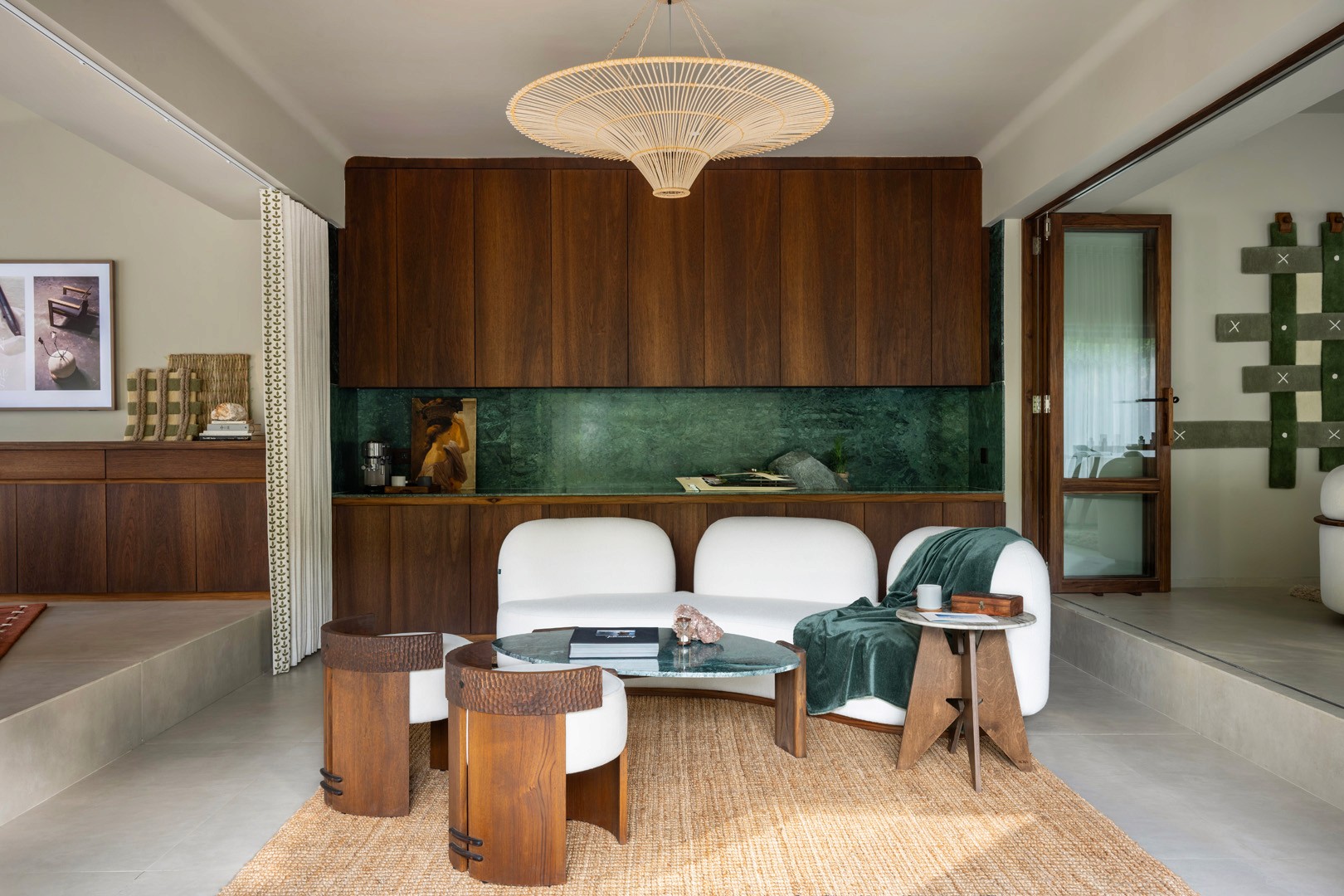
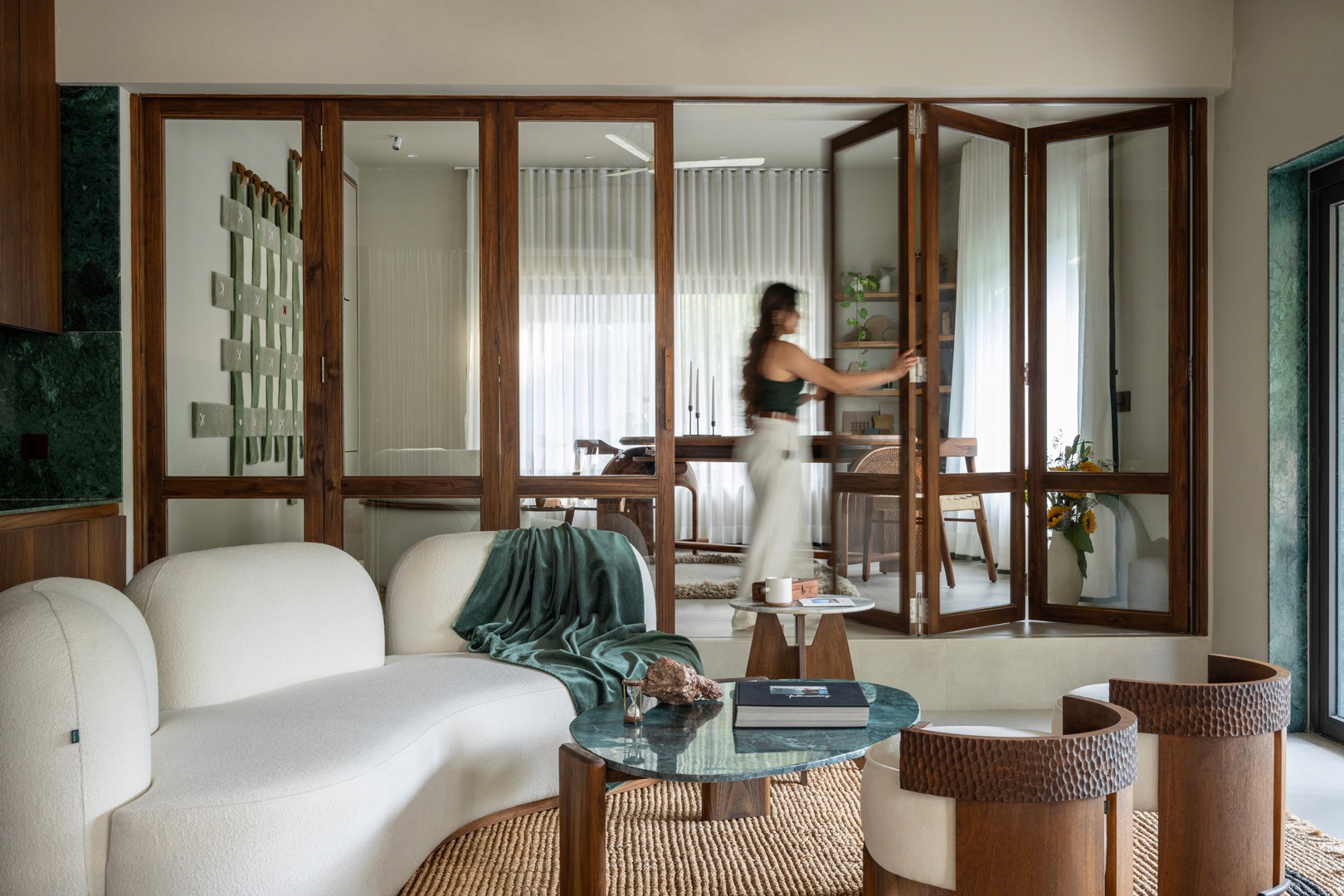
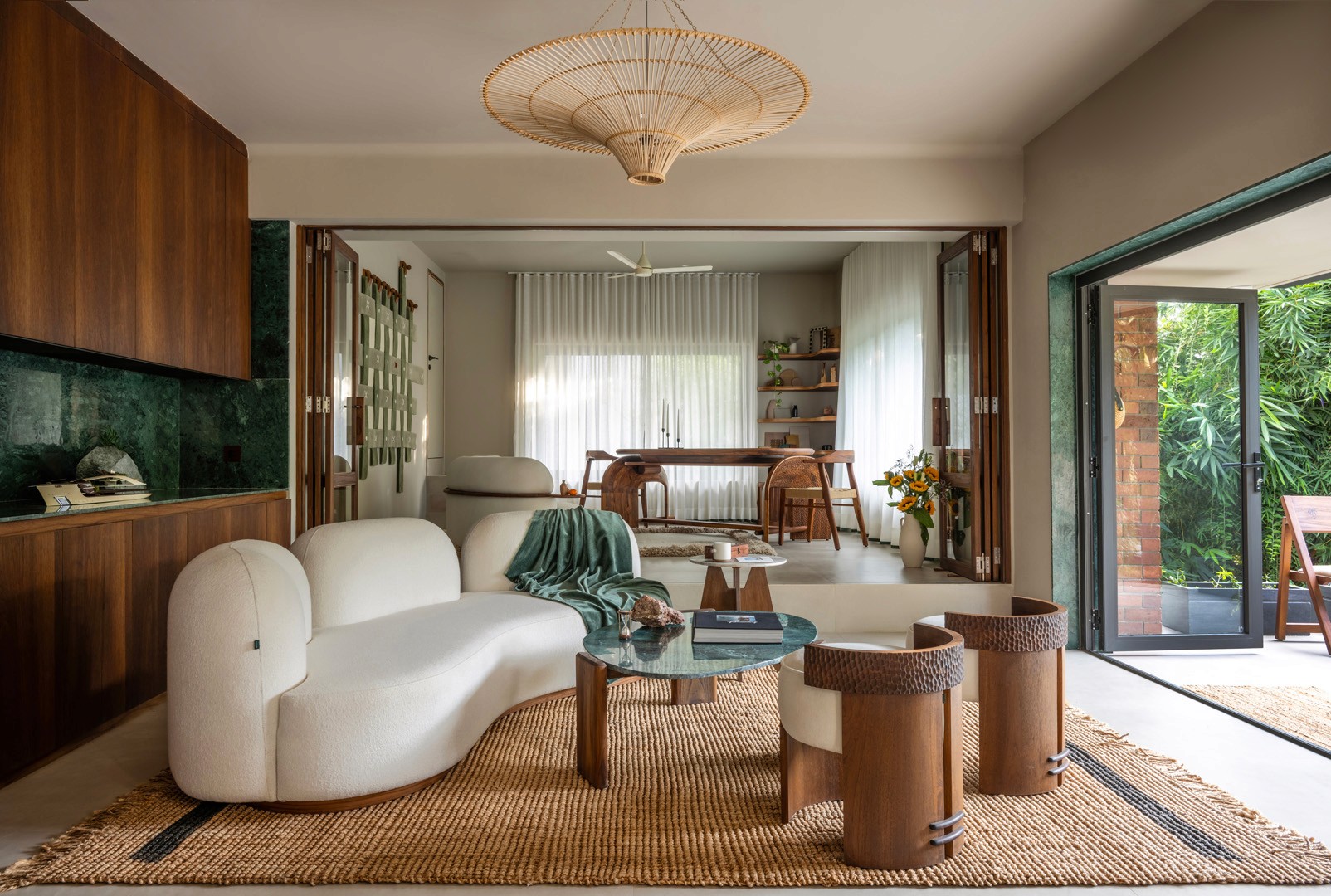
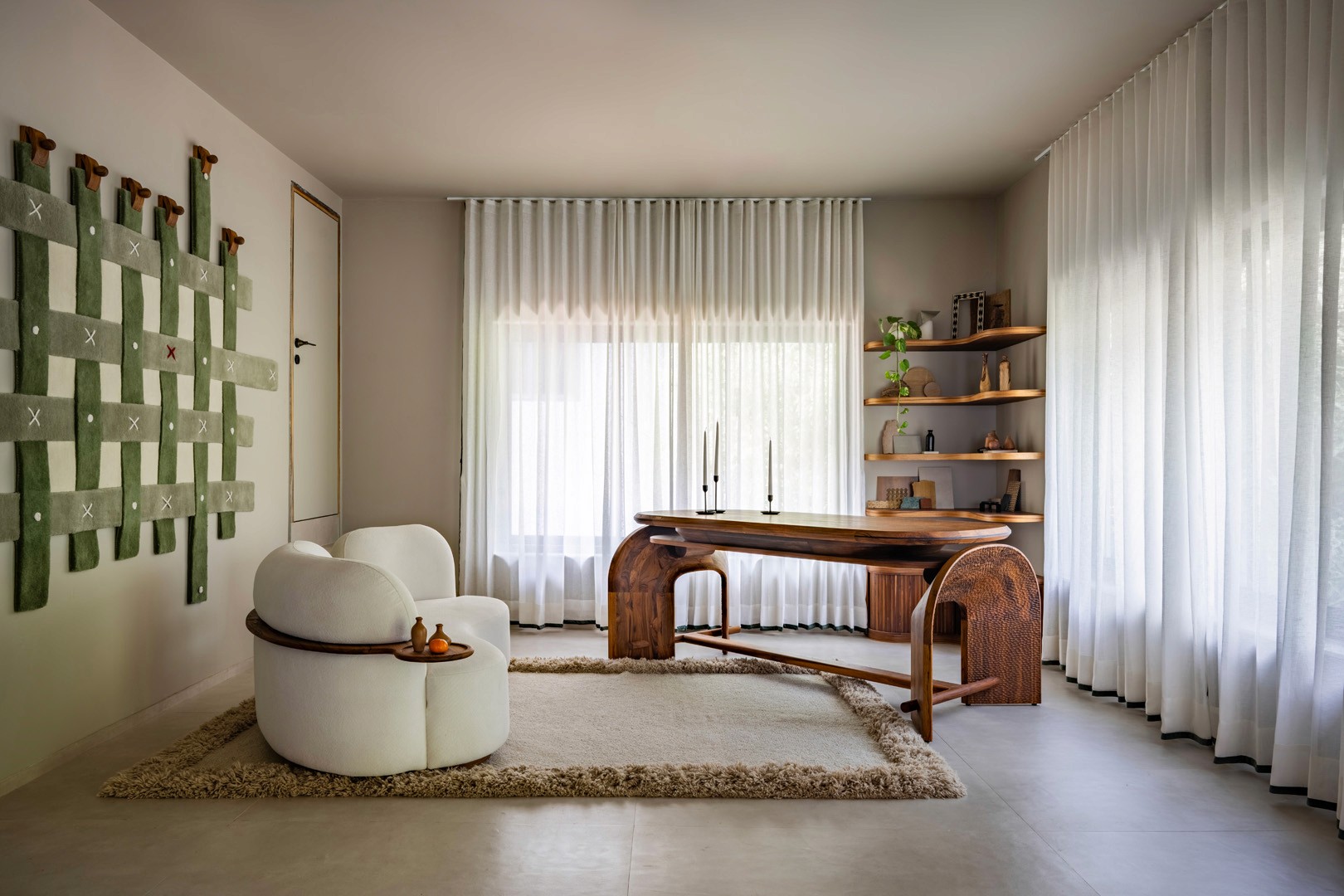
The space is an embodiment of the brand’s philosophy: open, meditative, and timeless.
Designed with a minimilistic approach to curate an experience for
India's one of the most expensive bicycle boutique.
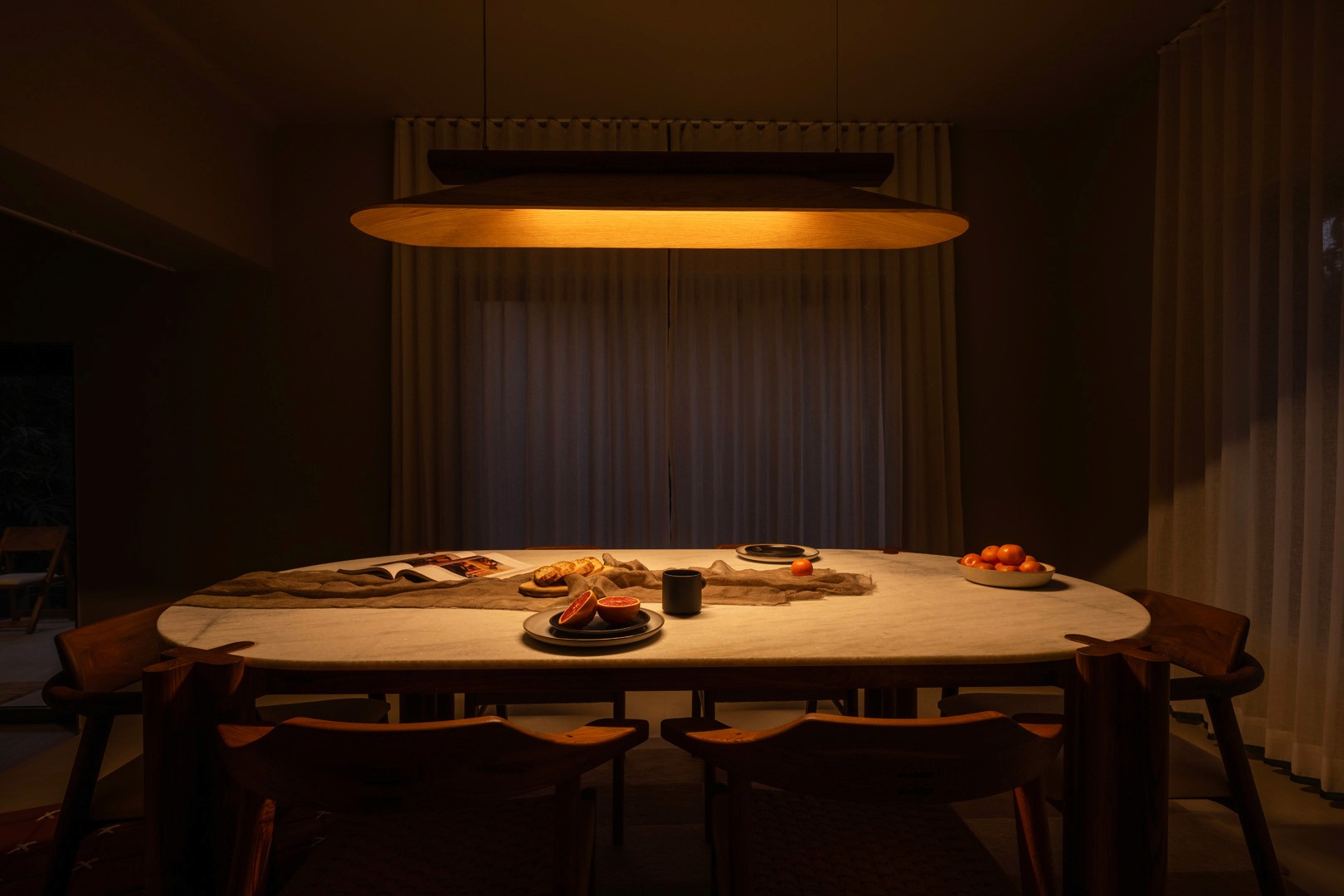
The space is an embodiment of the brand’s philosophy: open, meditative, and timeless.
The space is an embodiment of the brand’s philosophy:
open, meditative, and timeless.
CONCEPT
CONCEPT
Project Description and Design Concept:
The parent company, expanded over the years, adding rooms and departments whenever required. The building evolved organically, with new sections added at different times and for different needs. For Koan, the greatest challenge was to merge these three independent rooms- created across decades- into a single, continuous flow. The central room originally had walls on both sides, dividing it from the adjoining areas. To open up the space, the design team installed steel girders for strength and carefully demolished the walls. This intervention allowed for structural safety while enabling a sweeping, uninterrupted volume that now forms the heart of Koan Studio.
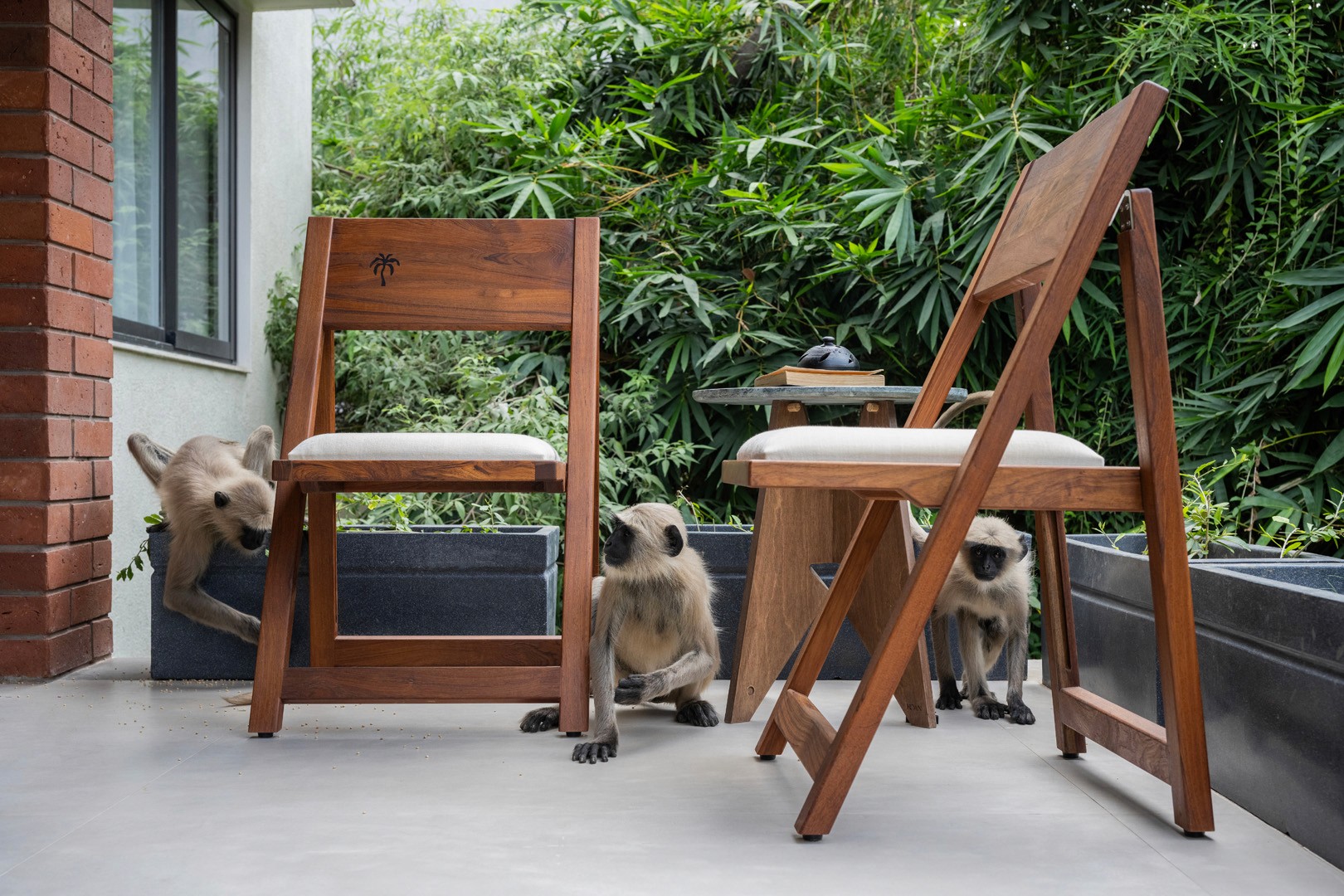
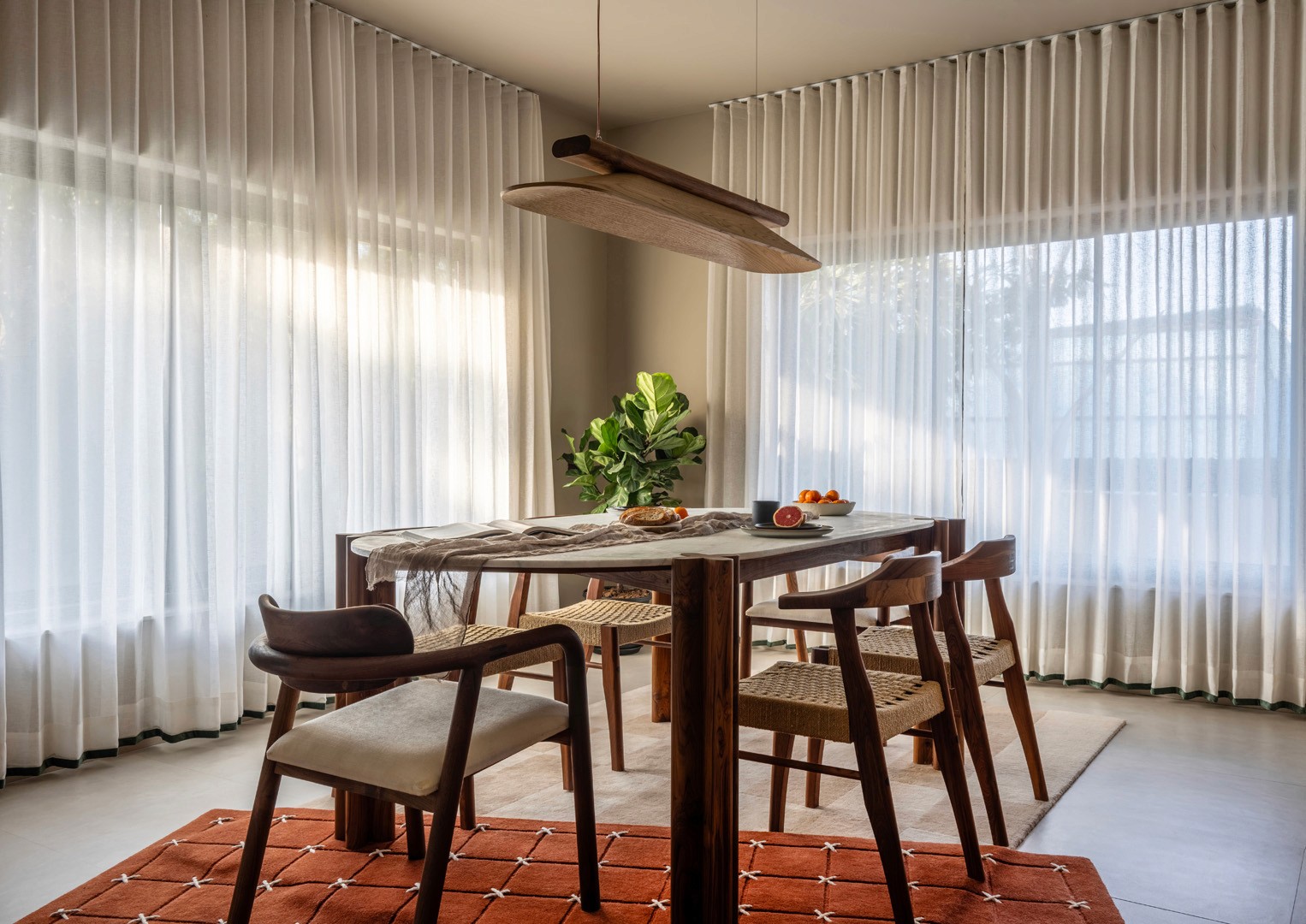
The approach to materials was guided by clarity and honesty. Koan kept materials true to what they are, not what they resemble. There is no attempt to mimic, decorate, or disguise. The walls remain minimal, simply painted. The variations in floor levels of the room reflect the building’s past without romanticising it. The bespoke- designed furniture is made from solid teak wood with rosewood inlays- a nod to craft traditions interpreted with contemporary restraint. Each piece is handmade, not for the sake of showcasing craft, but because Koan believes that true luxury is born from the time and intention invested in a piece. It cannot be held; it can only be felt in presence. It lies not in materials, but in the experience they create. And it is this experience-calming, grounding, and worth returning to-that guides Koan’s design ethos.
LEGACY:
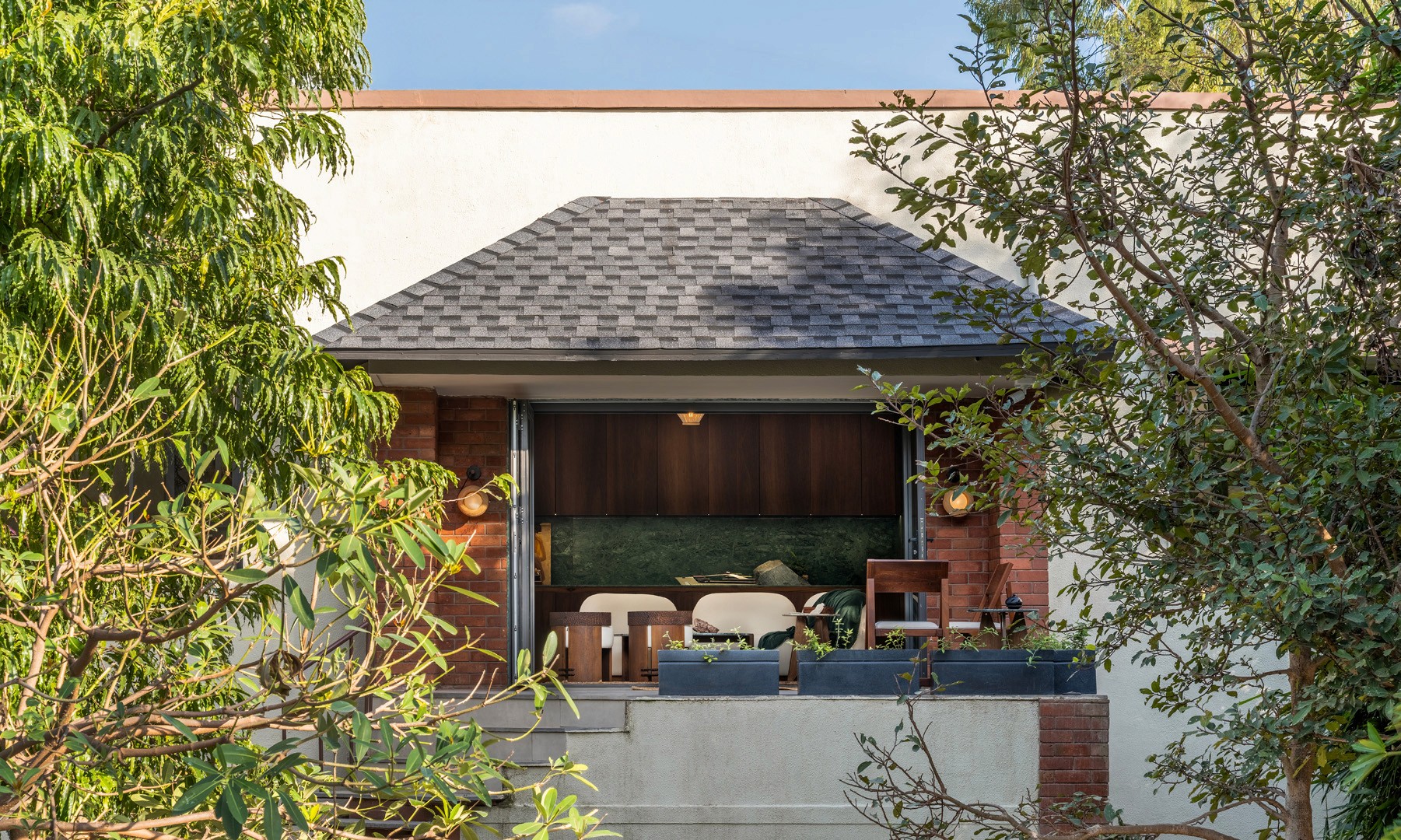
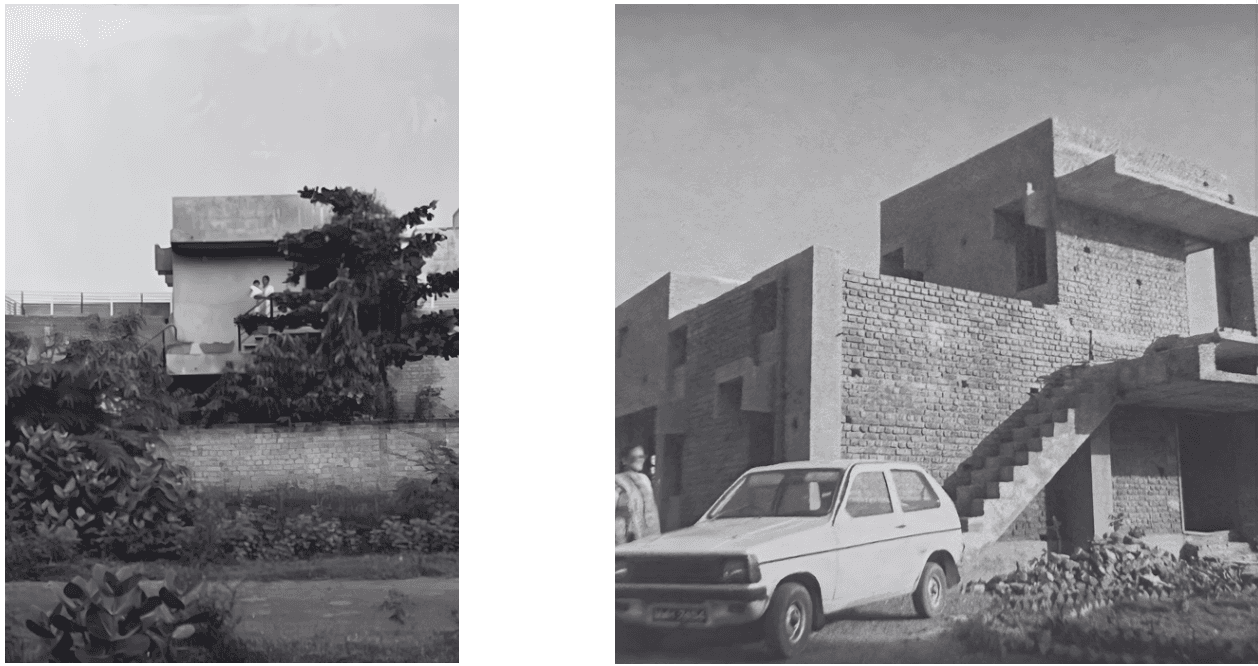
Koan Studio stands inside one of the oldest buildings in Gandhinagar’s Electronics Estate- an address that has quietly witnessed four decades of growth, ideas, and transformation. Long before it became a design studio, this was the first home of Aaj’s parents. In those early years of their career, they lived in a compact single room that doubled as a kitchen, living, and dining area. Today, that very room forms the central lounge of Koan’s experience centre- a space that now holds conversations, prototypes, visitors, and a new design philosophy, yet still carries a memory of warmth. For Aaj, this building was never just a workplace.
As a child, he visited almost every day after school deeply curious, always eager to help, learn, or make something with his hands. He grew up around technicians, learning quietly from them, watching the rhythms of the factory floor, absorbing the logic of tools, materials, and improvisation. Those early lessons- about patience, precision, and human-centered thinking- would shape his future far more than he realised then. Educated at the Royal College of Art, London, Aaj’s design journey began with a fascination for movement and form-an interest that gradually evolved into a pursuit of stillness, balance, and proportion. At RCA, he developed a strong inclination toward yacht design-both interiors and exteriors-exploring how spaces can evoke emotion even in constant motion.
Project Description and Design Concept:
The parent company, expanded over the years, adding rooms and departments whenever required. The building evolved organically, with new sections added at different times and for different needs. For Koan, the greatest challenge was to merge these three independent rooms- created across decades- into a single, continuous flow. The central room originally had walls on both sides, dividing it from the adjoining areas. To open up the space, the design team installed steel girders for strength and carefully demolished the walls. This intervention allowed for structural safety while enabling a sweeping, uninterrupted volume that now forms the heart of Koan Studio.
The approach to materials was guided by clarity and honesty. Koan kept materials true to what they are, not what they resemble. There is no attempt to mimic, decorate, or disguise. The walls remain minimal, simply painted. The variations in floor levels of the room reflect the building’s past without romanticising it. The bespoke- designed furniture is made from solid teak wood with rosewood inlays- a nod to craft traditions interpreted with contemporary restraint. Each piece is handmade, not for the sake of showcasing craft, but because Koan believes that true luxury is born from the time and intention invested in a piece. It cannot be held; it can only be felt in presence. It lies not in materials, but in the experience they create. And it is this experience-calming, grounding, and worth returning to-that guides Koan’s design ethos.
LEGACY:
Koan Studio stands inside one of the oldest buildings in Gandhinagar’s Electronics Estate- an address that has quietly witnessed four decades of growth, ideas, and transformation. Long before it became a design studio, this was the first home of Aaj’s parents. In those early years of their career, they lived in a compact single room that doubled as a kitchen, living, and dining area. Today, that very room forms the central lounge of Koan’s experience centre- a space that now holds conversations, prototypes, visitors, and a new design philosophy, yet still carries a memory of warmth. For Aaj, this building was never just a workplace.
As a child, he visited almost every day after school deeply curious, always eager to help, learn, or make something with his hands. He grew up around technicians, learning quietly from them, watching the rhythms of the factory floor, absorbing the logic of tools, materials, and improvisation. Those early lessons- about patience, precision, and human-centered thinking- would shape his future far more than he realised then. Educated at the Royal College of Art, London, Aaj’s design journey began with a fascination for movement and form-an interest that gradually evolved into a pursuit of stillness, balance, and proportion. At RCA, he developed a strong inclination toward yacht design-both interiors and exteriors-exploring how spaces can evoke emotion even in constant motion.
Project Description and Design Concept:
The parent company, expanded over the years, adding rooms and departments whenever required. The building evolved organically, with new sections added at different times and for different needs. For Koan, the greatest challenge was to merge these three independent rooms- created across decades- into a single, continuous flow. The central room originally had walls on both sides, dividing it from the adjoining areas. To open up the space, the design team installed steel girders for strength and carefully demolished the walls. This intervention allowed for structural safety while enabling a sweeping, uninterrupted volume that now forms the heart of Koan Studio.
The approach to materials was guided by clarity and honesty. Koan kept materials true to what they are, not what they resemble. There is no attempt to mimic, decorate, or disguise. The walls remain minimal, simply painted. The variations in floor levels of the room reflect the building’s past without romanticising it. The bespoke- designed furniture is made from solid teak wood with rosewood inlays- a nod to craft traditions interpreted with contemporary restraint. Each piece is handmade, not for the sake of showcasing craft, but because Koan believes that true luxury is born from the time and intention invested in a piece. It cannot be held; it can only be felt in presence. It lies not in materials, but in the experience they create. And it is this experience-calming, grounding, and worth returning to-that guides Koan’s design ethos.
LEGACY:
Koan Studio stands inside one of the oldest buildings in Gandhinagar’s Electronics Estate- an address that has quietly witnessed four decades of growth, ideas, and transformation. Long before it became a design studio, this was the first home of Aaj’s parents. In those early years of their career, they lived in a compact single room that doubled as a kitchen, living, and dining area. Today, that very room forms the central lounge of Koan’s experience centre- a space that now holds conversations, prototypes, visitors, and a new design philosophy, yet still carries a memory of warmth. For Aaj, this building was never just a workplace.
As a child, he visited almost every day after school deeply curious, always eager to help, learn, or make something with his hands. He grew up around technicians, learning quietly from them, watching the rhythms of the factory floor, absorbing the logic of tools, materials, and improvisation. Those early lessons- about patience, precision, and human-centered thinking- would shape his future far more than he realised then. Educated at the Royal College of Art, London, Aaj’s design journey began with a fascination for movement and form-an interest that gradually evolved into a pursuit of stillness, balance, and proportion. At RCA, he developed a strong inclination toward yacht design-both interiors and exteriors-exploring how spaces can evoke emotion even in constant motion.
Project Description and Design Concept:
The parent company, expanded over the years, adding rooms and departments whenever required. The building evolved organically, with new sections added at different times and for different needs. For Koan, the greatest challenge was to merge these three independent rooms- created across decades- into a single, continuous flow. The central room originally had walls on both sides, dividing it from the adjoining areas. To open up the space, the design team installed steel girders for strength and carefully demolished the walls. This intervention allowed for structural safety while enabling a sweeping, uninterrupted volume that now forms the heart of Koan Studio.
The approach to materials was guided by clarity and honesty. Koan kept materials true to what they are, not what they resemble. There is no attempt to mimic, decorate, or disguise. The walls remain minimal, simply painted. The variations in floor levels of the room reflect the building’s past without romanticising it. The bespoke- designed furniture is made from solid teak wood with rosewood inlays- a nod to craft traditions interpreted with contemporary restraint. Each piece is handmade, not for the sake of showcasing craft, but because Koan believes that true luxury is born from the time and intention invested in a piece. It cannot be held; it can only be felt in presence. It lies not in materials, but in the experience they create. And it is this experience-calming, grounding, and worth returning to-that guides Koan’s design ethos.
LEGACY:
Koan Studio stands inside one of the oldest buildings in Gandhinagar’s Electronics Estate- an address that has quietly witnessed four decades of growth, ideas, and transformation. Long before it became a design studio, this was the first home of Aaj’s parents. In those early years of their career, they lived in a compact single room that doubled as a kitchen, living, and dining area. Today, that very room forms the central lounge of Koan’s experience centre- a space that now holds conversations, prototypes, visitors, and a new design philosophy, yet still carries a memory of warmth. For Aaj, this building was never just a workplace.
As a child, he visited almost every day after school deeply curious, always eager to help, learn, or make something with his hands. He grew up around technicians, learning quietly from them, watching the rhythms of the factory floor, absorbing the logic of tools, materials, and improvisation. Those early lessons- about patience, precision, and human-centered thinking- would shape his future far more than he realised then. Educated at the Royal College of Art, London, Aaj’s design journey began with a fascination for movement and form-an interest that gradually evolved into a pursuit of stillness, balance, and proportion. At RCA, he developed a strong inclination toward yacht design-both interiors and exteriors-exploring how spaces can evoke emotion even in constant motion.
Designed by Neeraj Pandey