RUGS
RUGS
RUGS
RUGS
RUGS
/FUNTIONALLY DESIGNED, Made by hand, by the best artisans.
/FUNTIONALLY DESIGNED, Made by hand, by the best artisans.
/FUNTIONALLY DESIGNED, Made by hand, by the best artisans.
/FUNTIONALLY DESIGNED, Made by hand, by the best artisans.
/FUNTIONALLY DESIGNED, Made by hand, by the best artisans.
KAGO
KAGO
KAGO
HAND - TUFFED IN WOOL
HAND - TUFFED IN WOOL
HAND - TUFFED IN WOOL
HAND - TUFFED IN WOOL
HAND - TUFFED IN WOOL
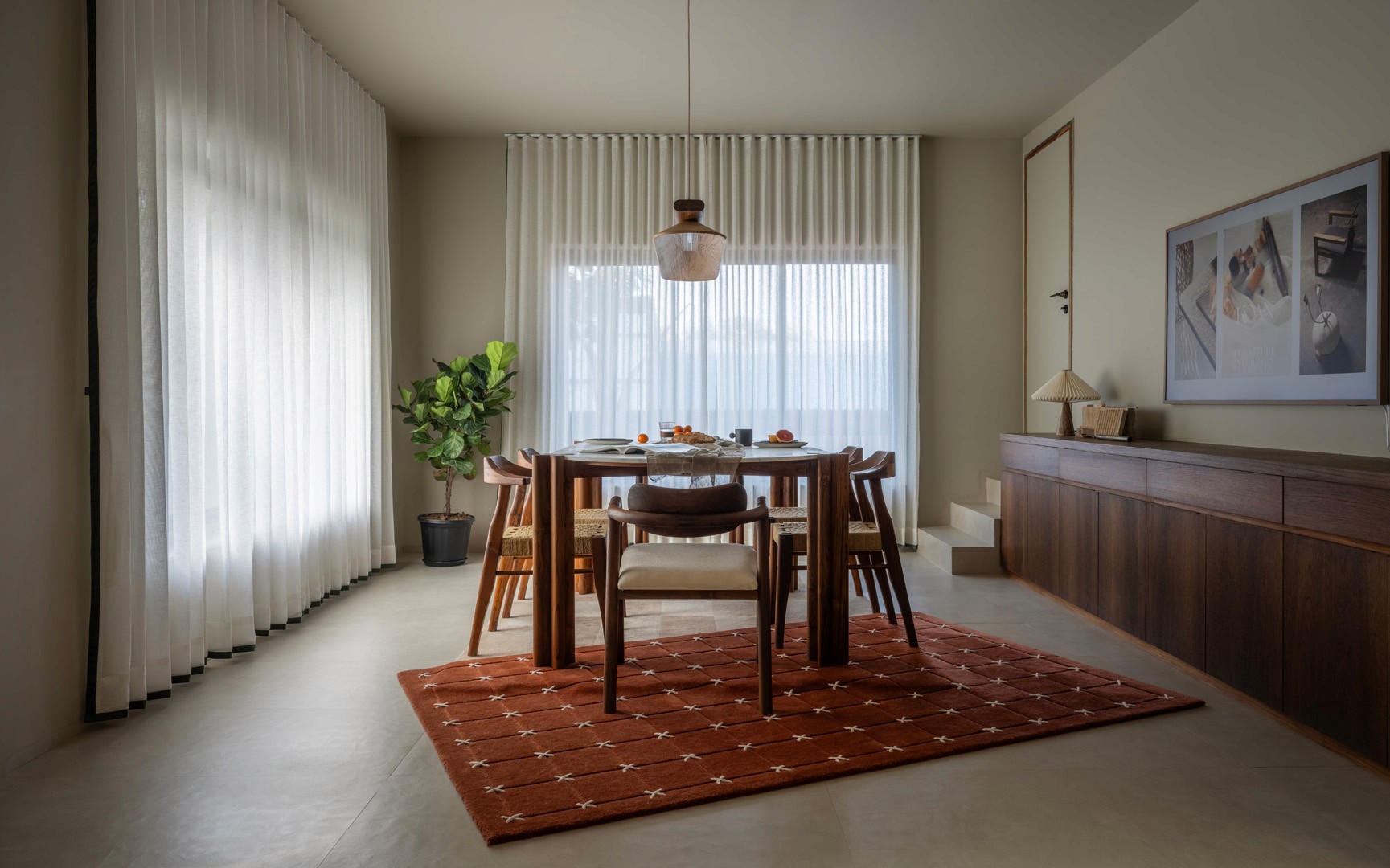
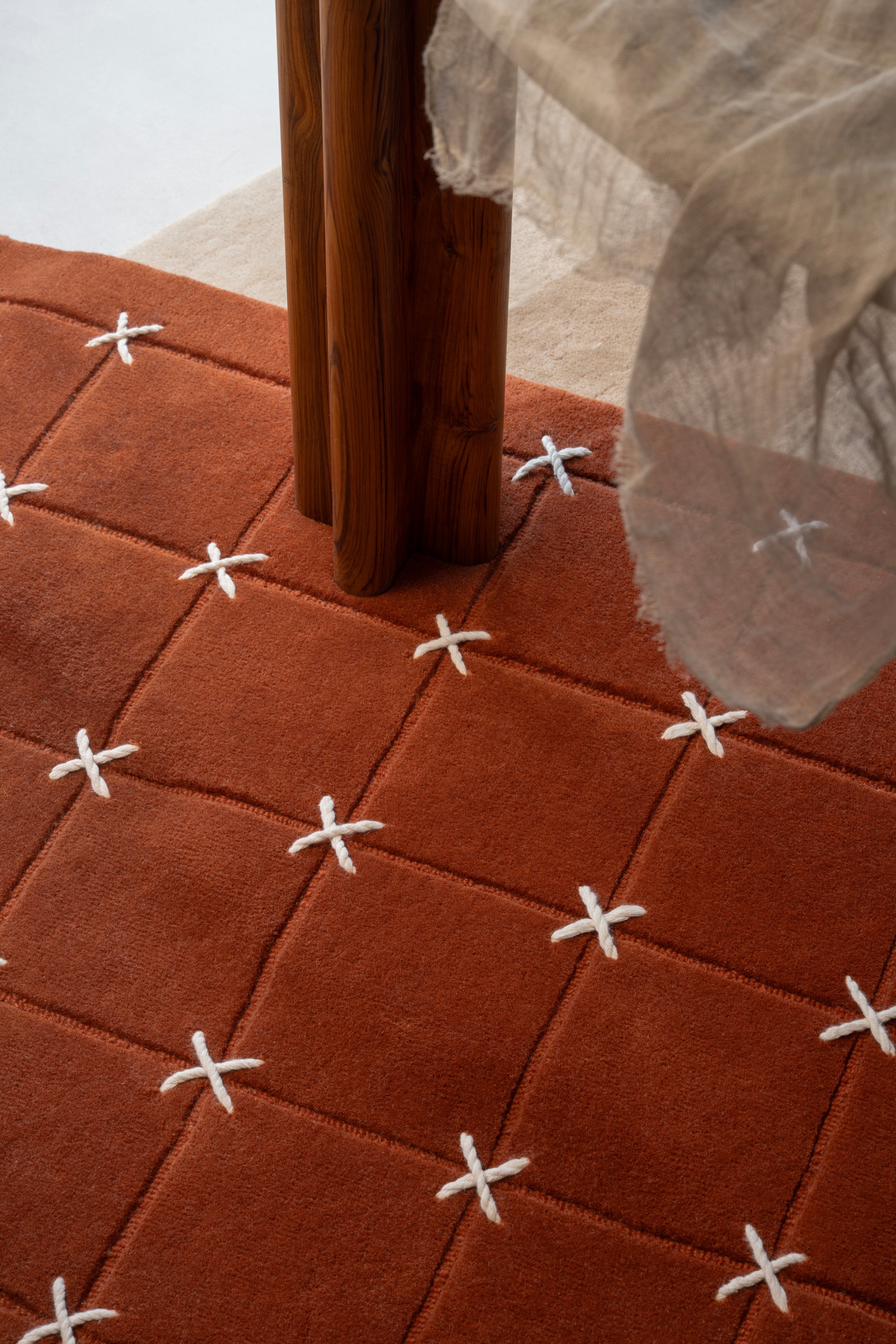
Inspired by Shashiko, the traditional Japanese practice of reinforcing cloth through deliberate hand-stitching, the rug translates the idea of repair into form and texture.
Inspired by Shashiko, the traditional Japanese practice of reinforcing cloth through deliberate hand-stitching, the rug translates the idea of repair into form and texture.
Inspired by Shashiko, the traditional Japanese practice of reinforcing cloth through deliberate hand-stitching, the rug translates the idea of repair into form and texture.
NAGI
NAGI
NAGI
HAND - KNOTTED IN JUTE
HAND - KNOTTED IN JUTE
HAND - KNOTTED IN JUTE
HAND - KNOTTED IN JUTE
HAND - KNOTTED IN JUTE
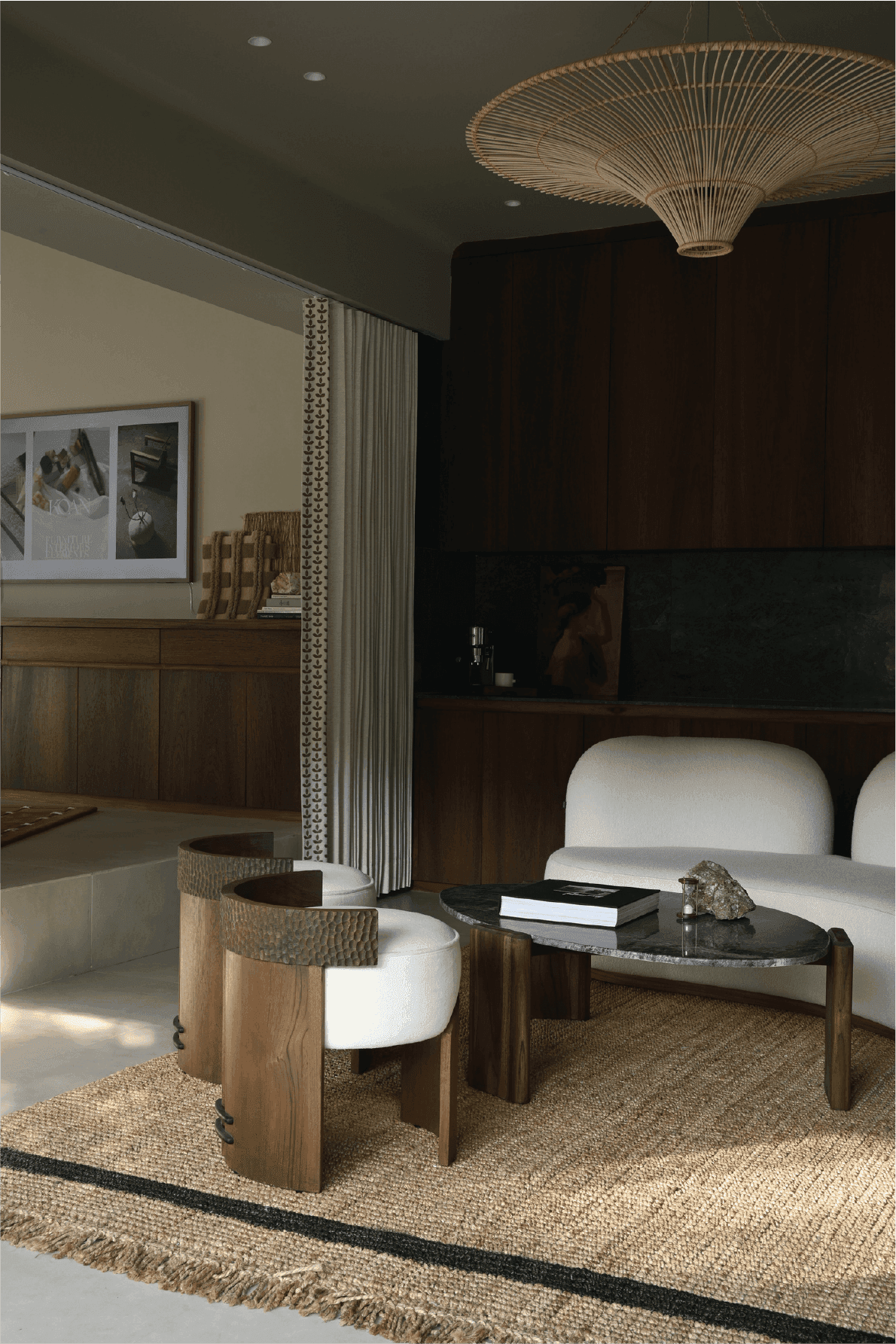
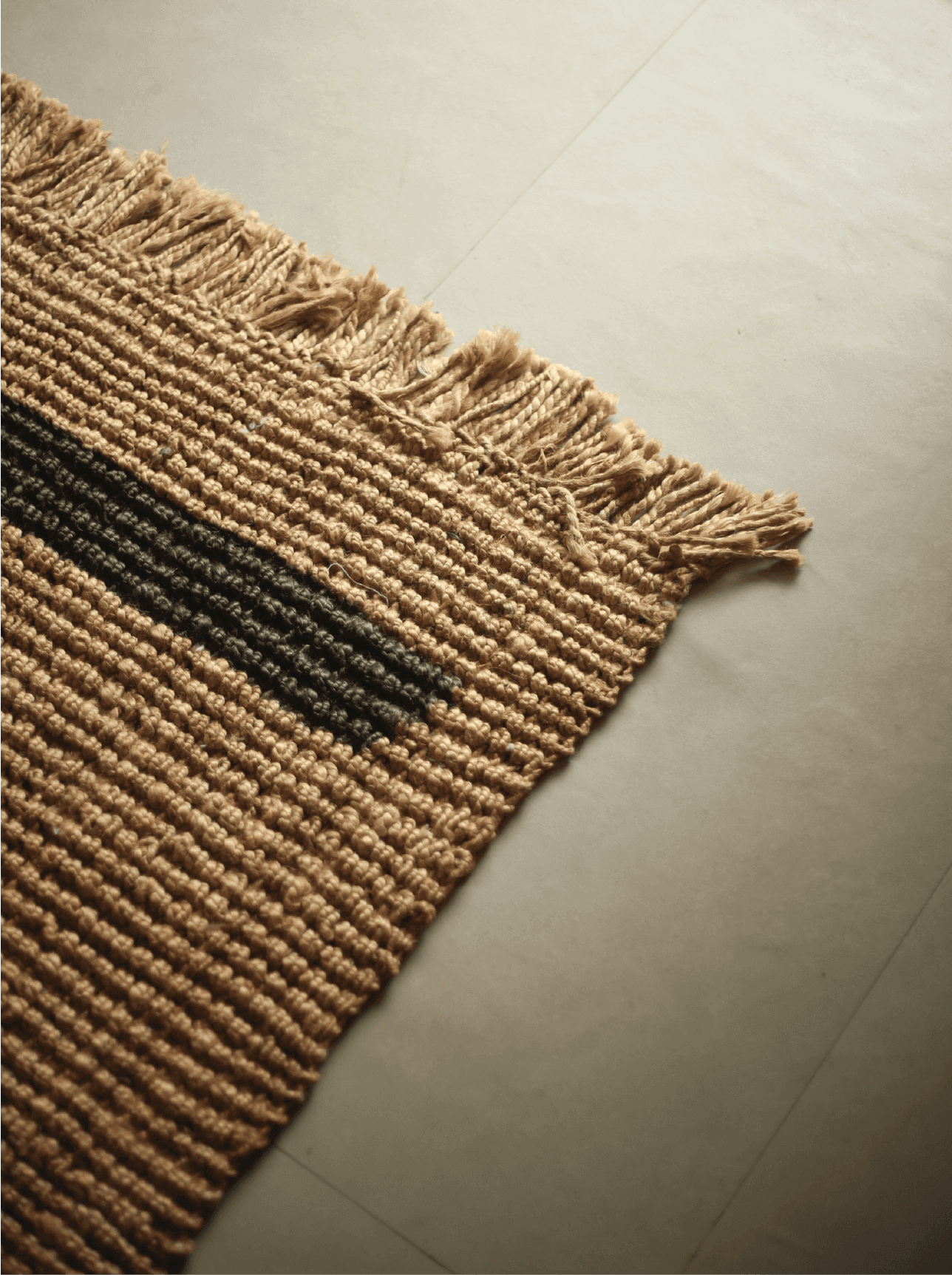
Nagi is a jute-hemp rug with a bold simplicity that anchors your space. Inspired by the Japanese concept of Shinrin-Y oku- forest bathing- it invites a sense of grounding and calm. The black horizontal bands represent shadows cast by ancient trees, and the fringed edges mimic the forest floor’s delicate chaos.
Nagi is a jute-hemp rug with a bold simplicity that anchors your space. Inspired by the Japanese concept of Shinrin-Y oku- forest bathing- it invites a sense of grounding and calm. The black horizontal bands represent shadows cast by ancient trees, and the fringed edges mimic the forest floor’s delicate chaos.
Nagi is a jute-hemp rug with a bold simplicity that anchors your space. Inspired by the Japanese concept of Shinrin-Y oku- forest bathing- it invites a sense of grounding and calm. The black horizontal bands represent shadows cast by ancient trees, and the fringed edges mimic the forest floor’s delicate chaos.
Nagi is a jute-hemp rug with a bold simplicity that anchors your space. Inspired by the Japanese concept of Shinrin-Y oku- forest bathing- it invites a sense of grounding and calm. The black horizontal bands represent shadows cast by ancient trees, and the fringed edges mimic the forest floor’s delicate chaos.
Nagi is a jute-hemp rug with a bold simplicity that anchors your space. Inspired by the Japanese concept of Shinrin-Y oku- forest bathing- it invites a sense of grounding and calm. The black horizontal bands represent shadows cast by ancient trees, and the fringed edges mimic the forest floor’s delicate chaos.
ICHIBOKU
ICHIBOKU
HAND - TUFTED IN WOOL
HAND - TUFTED IN WOOL
HAND - TUFTED IN WOOL
HAND - TUFTED IN WOOL
HAND - TUFTED IN WOOL
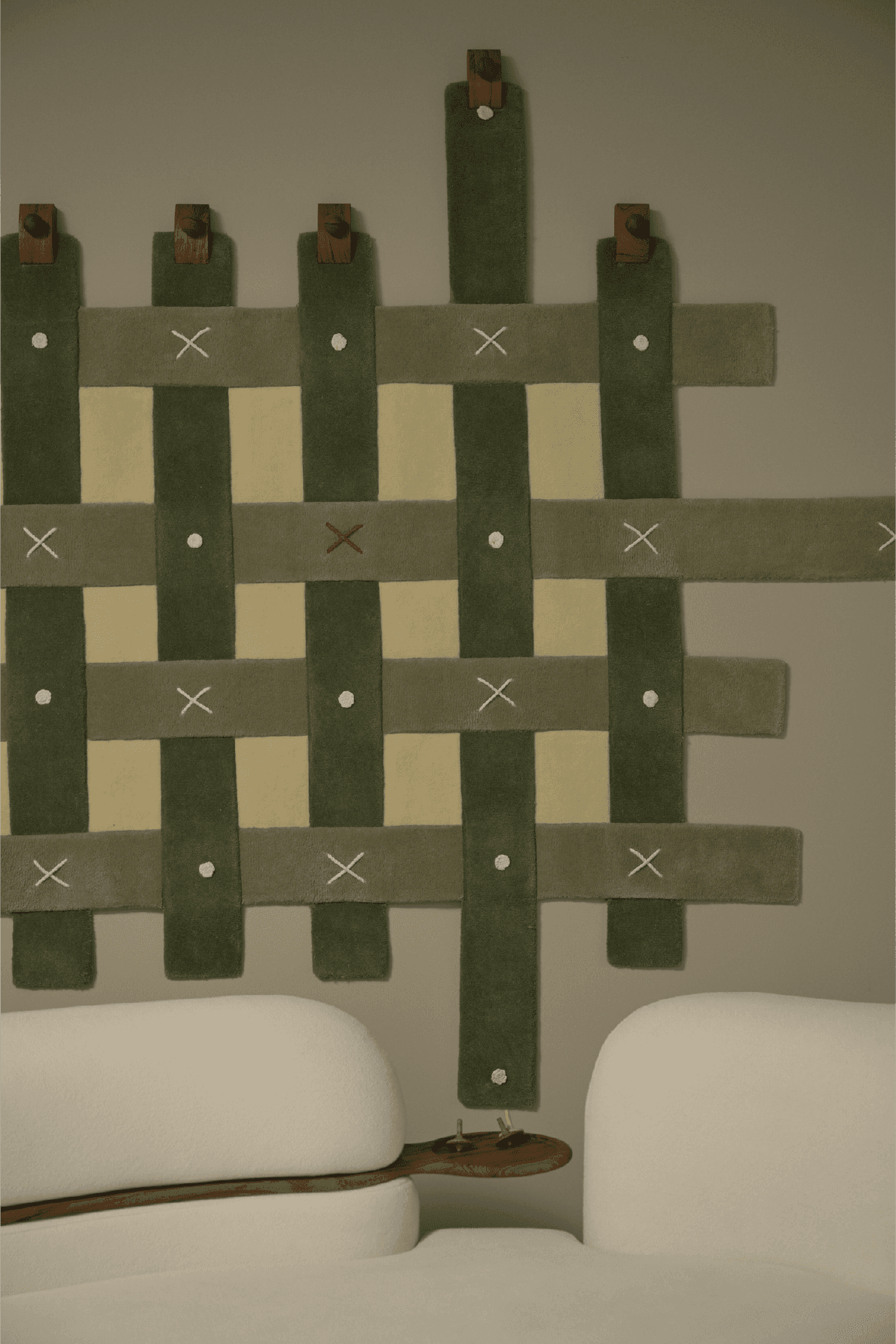
Ichiboku- one defining mark.
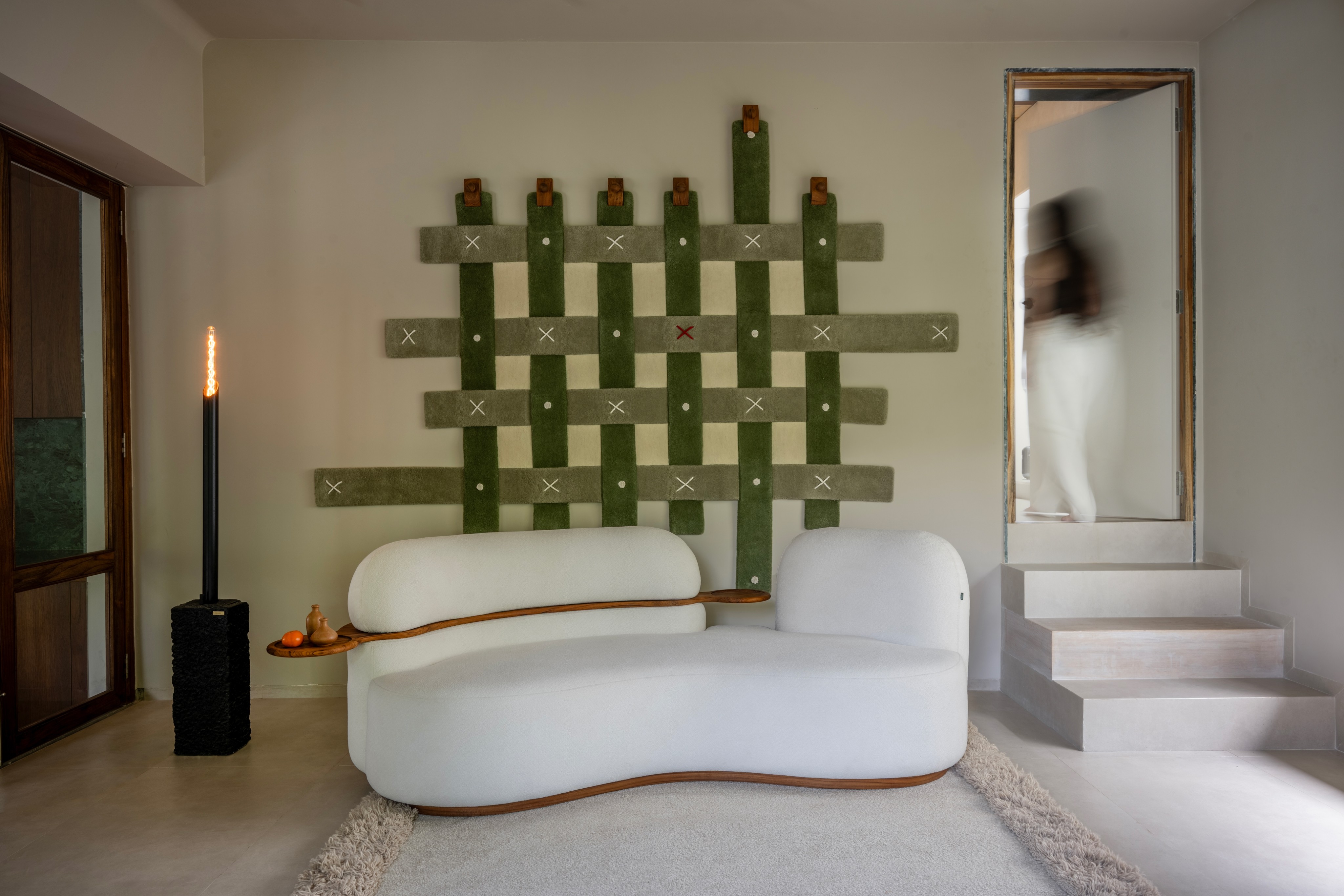
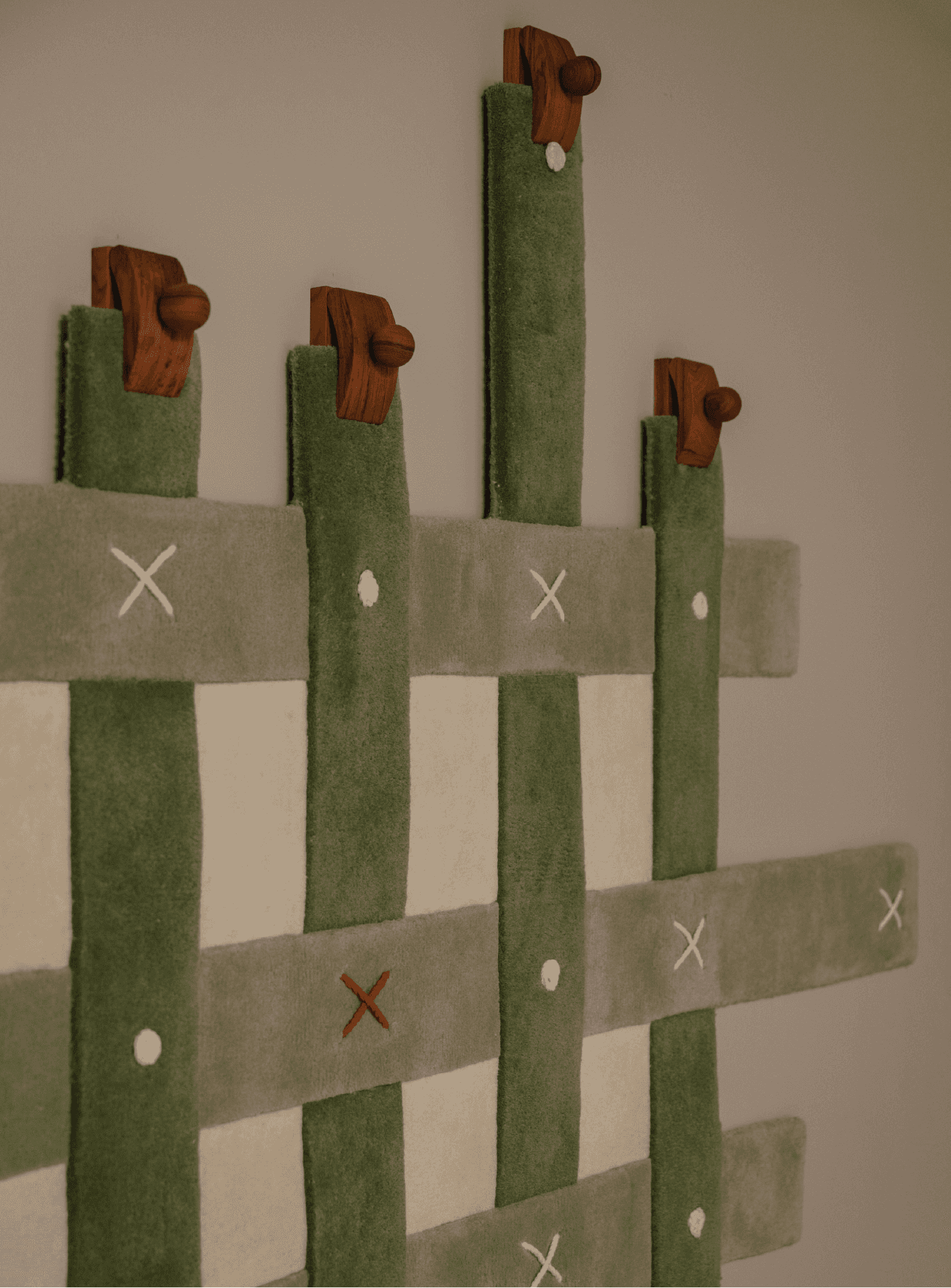
A quiet grid of interlaced bands forms the base of this rug, dotted with soft off-white crosses. At its heart sits a single red rope cross inspired by Sashiko - the Japanese craft of reinforcing cloth with hand-stitched marks that honour repair, care, and resilience.
Ichiboku- one defining mark.
A quiet grid of interlaced bands forms the base of this rug, dotted with soft off-white crosses. At its heart sits a single red rope cross inspired by Sashiko - the Japanese craft of reinforcing cloth with hand-stitched marks that honour repair, care, and resilience.
Ichiboku- one defining mark.
A quiet grid of interlaced bands forms the base of this rug, dotted with soft off-white crosses. At its heart sits a single red rope cross inspired by Sashiko - the Japanese craft of reinforcing cloth with hand-stitched marks that honour repair, care, and resilience.
Ichiboku- one defining mark.
A quiet grid of interlaced bands forms the base of this rug, dotted with soft off-white crosses. At its heart sits a single red rope cross inspired by Sashiko - the Japanese craft of reinforcing cloth with hand-stitched marks that honour repair, care, and resilience.
Ichiboku- one defining mark.
A quiet grid of interlaced bands forms the base of this rug, dotted with soft off-white crosses. At its heart sits a single red rope cross inspired by Sashiko - the Japanese craft of reinforcing cloth with hand-stitched marks that honour repair, care, and resilience.
ANG
ANG
HAND - TUFTED IN WOOL & SILK
HAND - TUFTED IN WOOL & SILK
HAND - TUFTED IN WOOL & SILK
HAND - TUFTED IN WOOL & SILK
HAND - TUFTED IN WOOL & SILK
This design draws from the ancient belief in threads that connect us, but here the thread is not bound to love or destiny. Instead, it speaks of the unseen currents that tie together our days, our choices, and the spaces we inhabit.
This design draws from the ancient belief in threads that connect us, but here the thread is not bound to love or destiny. Instead, it speaks of the unseen currents that tie together our days, our choices, and the spaces we inhabit.
This design draws from the ancient belief in threads that connect us, but here the thread is not bound to love or destiny. Instead, it speaks of the unseen currents that tie together our days, our choices, and the spaces we inhabit.
This design draws from the ancient belief in threads that connect us, but here the thread is not bound to love or destiny. Instead, it speaks of the unseen currents that tie together our days, our choices, and the spaces we inhabit.
This design draws from the ancient belief in threads that connect us, but here the thread is not bound to love or destiny. Instead, it speaks of the unseen currents that tie together our days, our choices, and the spaces we inhabit.
ENYU
ENYU
HAND - TUFTED IN WOOL & SILK
HAND - TUFTED IN WOOL & SILK
HAND - TUFTED IN WOOL & SILK
HAND - TUFTED IN WOOL & SILK
HAND - TUFTED IN WOOL & SILK
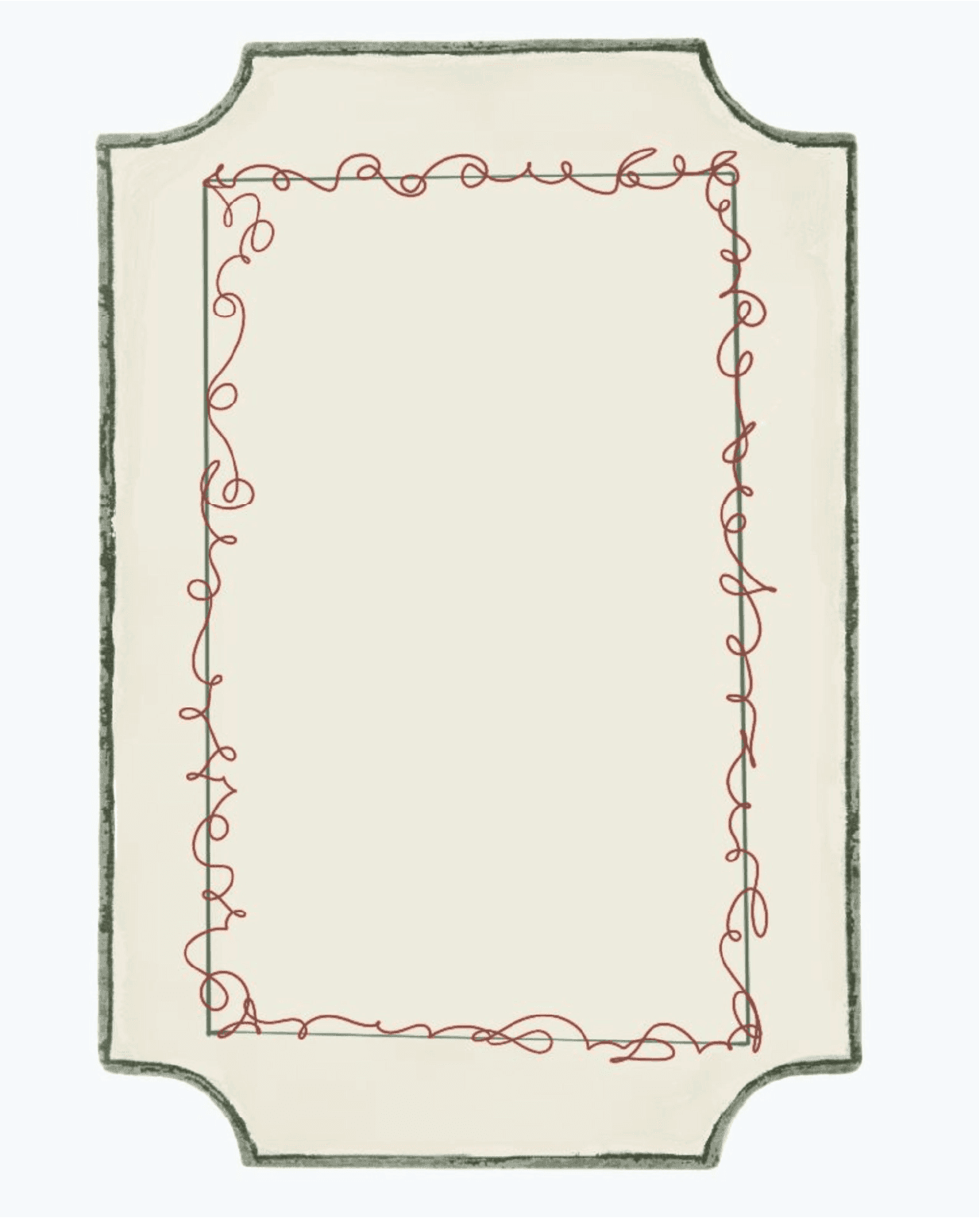
Where ANGA wandered, ENYU returns.
Here, the red thread no longer drifts across open space.
It moves along the edge of a soft, sculpted form-steady, intentional, almost ceremonial.
Each turn feels deliberate, as if the line has learned to listen.
Across cultures, a circle is never just a boundary. It’s a space held open.
A place for breath, reflection, and the small moments that usually slip past unnoticed.
In ENYU, the looping line traces this space again and again-not out of habit, but devotion.
It suggests that presence is something we reach slowly, by coming back to ourselves with quiet consistency.
The rug becomes a frame for stillness.
A gentle enclosure where life gathers, settles, and becomes clear.
If ANGA captured the movement of life, ENYU captures the pause that lets us feel it.
Where ANGA wandered, ENYU returns.
Here, the red thread no longer drifts across open space.
It moves along the edge of a soft, sculpted form-steady, intentional, almost ceremonial.
Each turn feels deliberate, as if the line has learned to listen.
Across cultures, a circle is never just a boundary. It’s a space held open.
A place for breath, reflection, and the small moments that usually slip past unnoticed.
In ENYU, the looping line traces this space again and again-not out of habit, but devotion.
It suggests that presence is something we reach slowly, by coming back to ourselves with quiet consistency.
The rug becomes a frame for stillness.
A gentle enclosure where life gathers, settles, and becomes clear.
If ANGA captured the movement of life, ENYU captures the pause that lets us feel it.
Where ANGA wandered, ENYU returns. Here, the red thread no longer drifts across open space.
It moves along the edge of a soft, sculpted form-steady, intentional, almost ceremonial. Each turn feels deliberate, as if the line has learned to listen. Across cultures, a circle is never just a boundary. It’s a space held open. A place for breath, reflection, and the small moments that usually slip past unnoticed.
In ENYU, the looping line traces this space again and again-not out of habit, but devotion. It suggests that presence is something we reach slowly, by coming back to ourselves with quiet consistency. The rug becomes a frame for stillness.
A gentle enclosure where life gathers, settles, and becomes clear.
If ANGA captured the movement of life, ENYU captures the pause that lets us feel it.
Where ANGA wandered, ENYU returns.
Here, the red thread no longer drifts across open space.
It moves along the edge of a soft, sculpted form-steady, intentional, almost ceremonial.
Each turn feels deliberate, as if the line has learned to listen.
Across cultures, a circle is never just a boundary. It’s a space held open.
A place for breath, reflection, and the small moments that usually slip past unnoticed.
In ENYU, the looping line traces this space again and again-not out of habit, but devotion.
It suggests that presence is something we reach slowly, by coming back to ourselves with quiet consistency.
The rug becomes a frame for stillness.
A gentle enclosure where life gathers, settles, and becomes clear.
If ANGA captured the movement of life, ENYU captures the pause that lets us feel it.
Where ANGA wandered, ENYU returns.
Here, the red thread no longer drifts across open space.
It moves along the edge of a soft, sculpted form-steady, intentional, almost ceremonial.
Each turn feels deliberate, as if the line has learned to listen.
Across cultures, a circle is never just a boundary. It’s a space held open.
A place for breath, reflection, and the small moments that usually slip past unnoticed.
In ENYU, the looping line traces this space again and again-not out of habit, but devotion.
It suggests that presence is something we reach slowly, by coming back to ourselves with quiet consistency.
The rug becomes a frame for stillness.
A gentle enclosure where life gathers, settles, and becomes clear.
If ANGA captured the movement of life, ENYU captures the pause that lets us feel it.
KAEN
KAEN
HAND - TUFTED IN WOOL & SILK
HAND - TUFTED IN WOOL & SILK
HAND - TUFTED IN WOOL & SILK
HAND - TUFTED IN WOOL & SILK
HAND - TUFTED IN WOOL & SILK
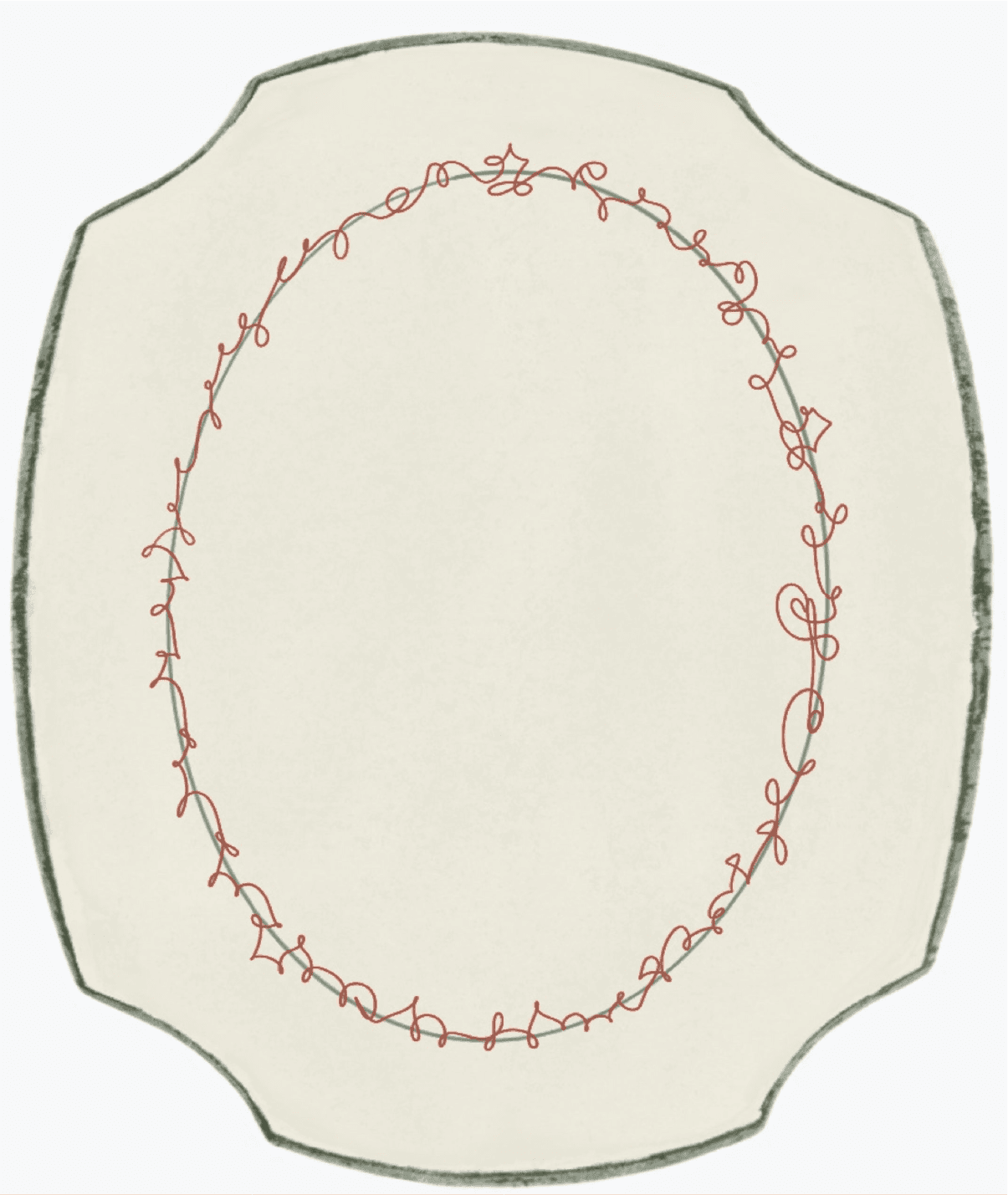
KAEN is shaped around a quiet center.
A cool silver field stretches wide, and from it rises a warm rectangular plane-softly elevated, edged with fringe, calm but unmistakably present. It reads like a flame that has settled into form.
In Japanese, kaen speaks of fire, yet here the fire is not fierce. It glows instead of burns. It becomes a place of focus-a small platform where the mind arrives and softens.
The raised block suggests an inner chamber, a point of intention within the larger field.
KAEN carries the warmth of ritual without the weight of symbolism, creating a subtle
invitation to pause, gather, and recenter. A quiet flame for the room.
A place where presence takes shape.
KAEN is shaped around a quiet center.
A cool silver field stretches wide, and from it rises a warm rectangular plane-softly elevated, edged with fringe, calm but unmistakably present. It reads like a flame that has settled into form.
In Japanese, kaen speaks of fire, yet here the fire is not fierce. It glows instead of burns. It becomes a place of focus-a small platform where the mind arrives and softens.
The raised block suggests an inner chamber, a point of intention within the larger field.
KAEN carries the warmth of ritual without the weight of symbolism, creating a subtle
invitation to pause, gather, and recenter. A quiet flame for the room.
A place where presence takes shape.
KAEN is shaped around a quiet center.
A cool silver field stretches wide, and from it rises a warm rectangular plane-softly elevated, edged with fringe, calm but unmistakably present. It reads like a flame that has settled into form.
In Japanese, kaen speaks of fire, yet here the fire is not fierce. It glows instead of burns. It becomes a place of focus-a small platform where the mind arrives and softens.
The raised block suggests an inner chamber, a point of intention within the larger field.
KAEN carries the warmth of ritual without the weight of symbolism, creating a subtle
invitation to pause, gather, and recenter. A quiet flame for the room.
A place where presence takes shape.
KAEN is shaped around a quiet center.
A cool silver field stretches wide, and from it rises a warm rectangular plane-softly elevated, edged with fringe, calm but unmistakably present. It reads like a flame that has settled into form.
In Japanese, kaen speaks of fire, yet here the fire is not fierce. It glows instead of burns. It becomes a place of focus-a small platform where the mind arrives and softens.
The raised block suggests an inner chamber, a point of intention within the larger field.
KAEN carries the warmth of ritual without the weight of symbolism, creating a subtle
invitation to pause, gather, and recenter. A quiet flame for the room.
A place where presence takes shape.
KAEN is shaped around a quiet center.
A cool silver field stretches wide, and from it rises a warm rectangular plane-softly elevated, edged with fringe, calm but unmistakably present. It reads like a flame that has settled into form.
In Japanese, kaen speaks of fire, yet here the fire is not fierce. It glows instead of burns. It becomes a place of focus-a small platform where the mind arrives and softens.
The raised block suggests an inner chamber, a point of intention within the larger field.
KAEN carries the warmth of ritual without the weight of symbolism, creating a subtle
invitation to pause, gather, and recenter. A quiet flame for the room.
A place where presence takes shape.
YUGA
YUGA
HAND - TUFTED IN WOOL & SILK
HAND - TUFTED IN WOOL & SILK
HAND - TUFTED IN WOOL & SILK
HAND - TUFTED IN WOOL & SILK
HAND - TUFTED IN WOOL & SILK
KURA means “chamber” in Japanese, a place where something precious is kept.
If KAEN was the still flame,KURA is the space that holds its warmth. The pale field is calm and open, and from it rises a soft central form- gathered at the tips, full through the middle, shaped not by fire, but by the heat that lingers after it.
A thin mustard line moves around the edges, slightly raised, echoing the way sacred spaces are marked in Indian rituals: not with walls, but with intention.
A room within a room, barely drawn, but deeply felt.
KURA is an ode to what remains after the ritual is over- the air still warm, the silence settling, the sense that something has found its place.
A quiet chamber for the room.
A center that rests instead of burns.
KURA means “chamber” in Japanese, a place where something precious is kept.
If KAEN was the still flame,KURA is the space that holds its warmth. The pale field is calm and open, and from it rises a soft central form- gathered at the tips, full through the middle, shaped not by fire, but by the heat that lingers after it.
A thin mustard line moves around the edges, slightly raised, echoing the way sacred spaces are marked in Indian rituals: not with walls, but with intention.
A room within a room, barely drawn, but deeply felt.
KURA is an ode to what remains after the ritual is over- the air still warm, the silence settling, the sense that something has found its place.
A quiet chamber for the room.
A center that rests instead of burns.
KURA means “chamber” in Japanese, a place where something precious is kept.
If KAEN was the still flame,KURA is the space that holds its warmth. The pale field is calm and open, and from it rises a soft central form- gathered at the tips, full through the middle, shaped not by fire, but by the heat that lingers after it.
A thin mustard line moves around the edges, slightly raised, echoing the way sacred spaces are marked in Indian rituals: not with walls, but with intention.
A room within a room, barely drawn, but deeply felt.
KURA is an ode to what remains after the ritual is over- the air still warm, the silence settling, the sense that something has found its place.
A quiet chamber for the room.
A center that rests instead of burns.
KURA means “chamber” in Japanese, a place where something precious is kept.
If KAEN was the still flame,KURA is the space that holds its warmth. The pale field is calm and open, and from it rises a soft central form- gathered at the tips, full through the middle, shaped not by fire, but by the heat that lingers after it.
A thin mustard line moves around the edges, slightly raised, echoing the way sacred spaces are marked in Indian rituals: not with walls, but with intention.
A room within a room, barely drawn, but deeply felt.
KURA is an ode to what remains after the ritual is over- the air still warm, the silence settling, the sense that something has found its place.
A quiet chamber for the room.
A center that rests instead of burns.
KURA means “chamber” in Japanese, a place where something precious is kept.
A thin mustard line moves around the edges, slightly raised, echoing the way sacred spaces are marked in Indian rituals: not with walls, but with intention.
A room within a room, barely drawn, but deeply felt.
KURA is an ode to what remains after the ritual is over- the air still warm, the silence settling, the sense that something has found its place.
A quiet chamber for the room.
A center that rests instead of burns.
KURA
KURA
HAND - TUFTED IN WOOL & SILK
HAND - TUFTED IN WOOL & SILK
HAND - TUFTED IN WOOL & SILK
HAND - TUFTED IN WOOL & SILK
HAND - TUFTED IN WOOL & SILK
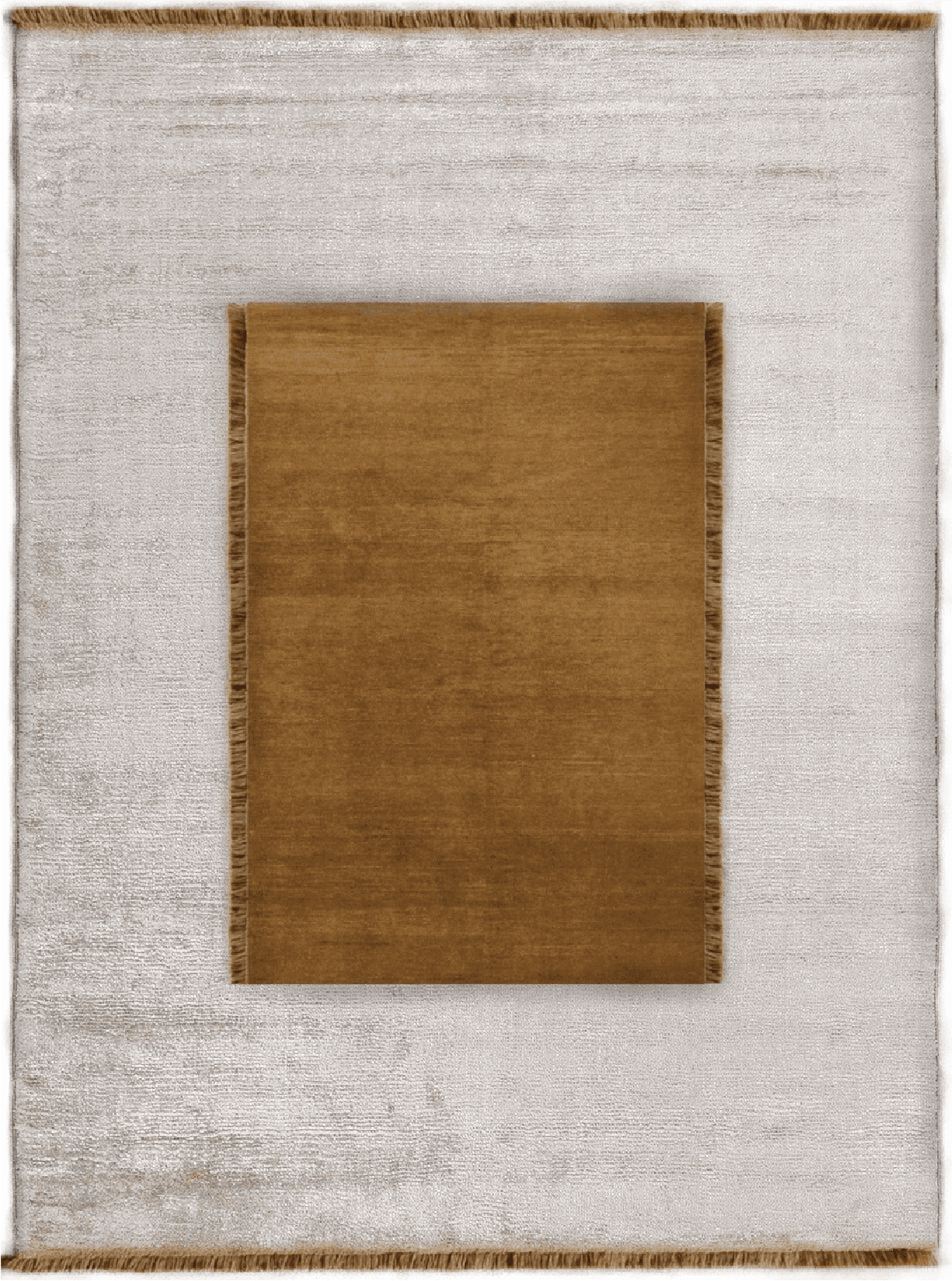
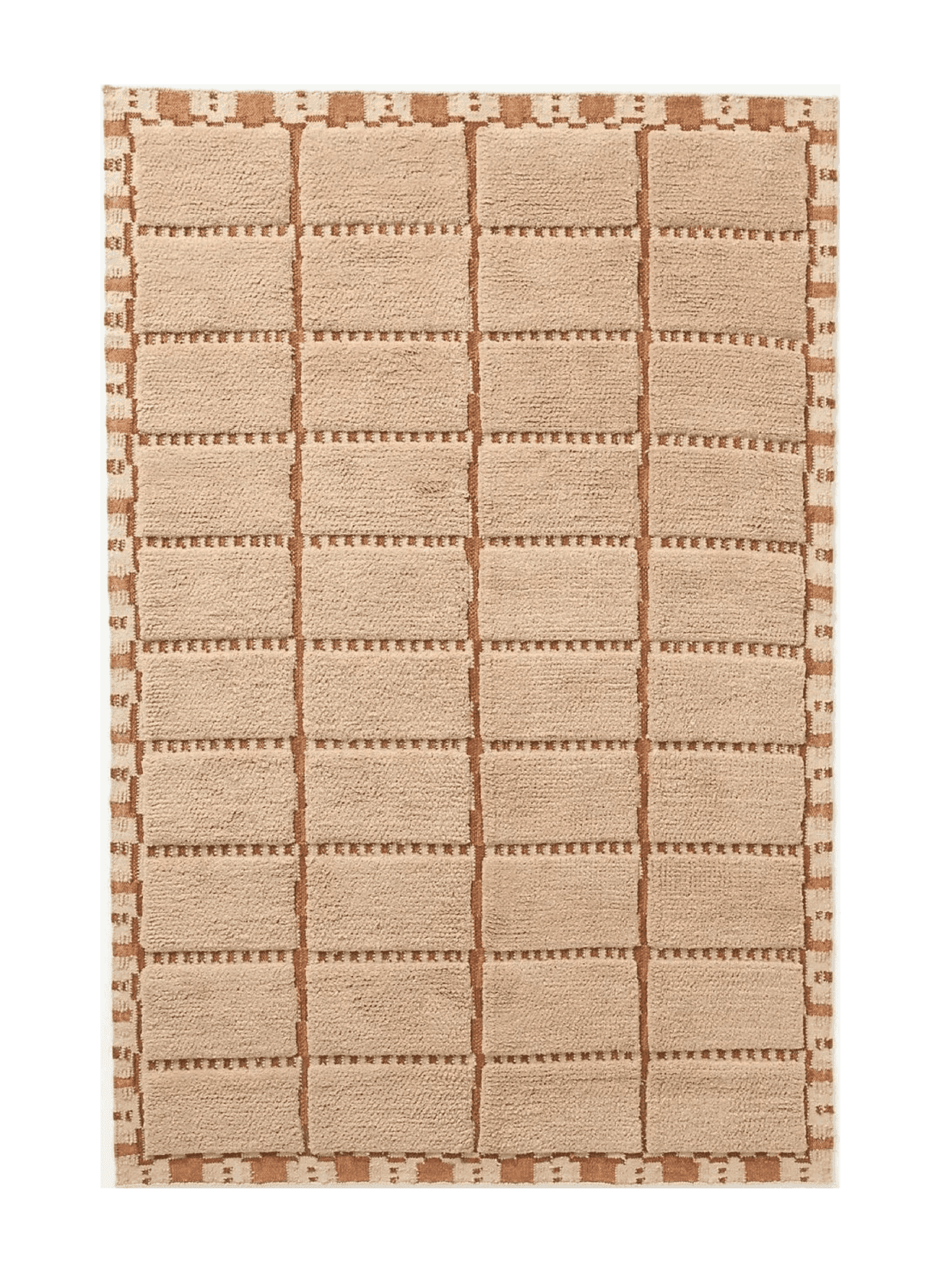
In Japanese, YUGA means grace and elegance.
In India, Yuga refers to the ages of time-Satyug, Dwaparyug, Treta Yuga, Kali Yuga.
This rug is inspired by that sense of timelessness. The warm mustard and beige colors aren’t trendy. They’ve appeared in ancient art, traditional textiles, and old homes for centuries.
Yet here, they’re reimagined in a modern pattern-simple, balanced, and thoughtful. The hand-knotted texture brings the past into the present.
It stands as a reminder that some colors, like some ideas, never age.
YUGA is about quiet resilience and enduring elegance.
In Japanese, YUGA means grace and elegance.
In India, Yuga refers to the ages of time-Satyug, Dwaparyug, Treta Yuga, Kali Yuga.
This rug is inspired by that sense of timelessness. The warm mustard and beige colors aren’t trendy. They’ve appeared in ancient art, traditional textiles, and old homes for centuries.
Yet here, they’re reimagined in a modern pattern-simple, balanced, and thoughtful. The hand-knotted texture brings the past into the present.
It stands as a reminder that some colors, like some ideas, never age.
YUGA is about quiet resilience and enduring elegance.
In Japanese, YUGA means grace and elegance.
In India, Yuga refers to the ages of time-Satyug, Dwaparyug, Treta Yuga, Kali Yuga.
This rug is inspired by that sense of timelessness. The warm mustard and beige colors aren’t trendy. They’ve appeared in ancient art, traditional textiles, and old homes for centuries.
Yet here, they’re reimagined in a modern pattern-simple, balanced, and thoughtful. The hand-knotted texture brings the past into the present.
It stands as a reminder that some colors, like some ideas, never age.
YUGA is about quiet resilience and enduring elegance.
In Japanese, YUGA means grace and elegance.
In India, Yuga refers to the ages of time-Satyug, Dwaparyug, Treta Yuga, Kali Yuga.
This rug is inspired by that sense of timelessness. The warm mustard and beige colors aren’t trendy. They’ve appeared in ancient art, traditional textiles, and old homes for centuries.
Yet here, they’re reimagined in a modern pattern-simple, balanced, and thoughtful. The hand-knotted texture brings the past into the present.
It stands as a reminder that some colors, like some ideas, never age.
YUGA is about quiet resilience and enduring elegance.
In Japanese, YUGA means grace and elegance.
In India, Yuga refers to the ages of time-Satyug, Dwaparyug, Treta Yuga, Kali Yuga.
This rug is inspired by that sense of timelessness. The warm mustard and beige colors aren’t trendy. They’ve appeared in ancient art, traditional textiles, and old homes for centuries.
Yet here, they’re reimagined in a modern pattern-simple, balanced, and thoughtful. The hand-knotted texture brings the past into the present.
It stands as a reminder that some colors, like some ideas, never age.
YUGA is about quiet resilience and enduring elegance.
TERA
TERA
HAND - TUFTED IN WOOL & SILK
HAND - TUFTED IN WOOL & SILK
HAND - TUFTED IN WOOL & SILK
HAND - TUFTED IN WOOL & SILK
HAND - TUFTED IN WOOL & SILK
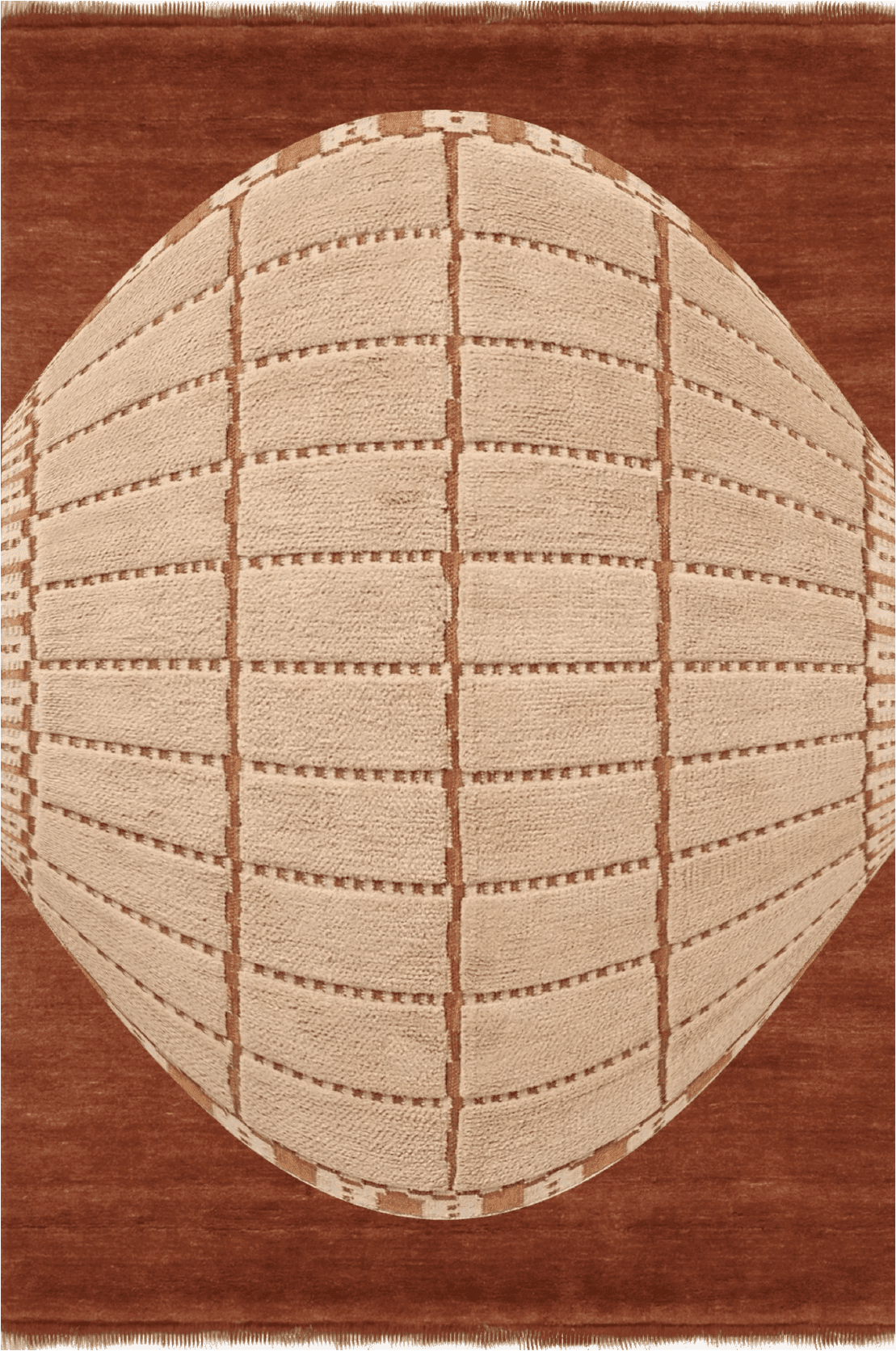
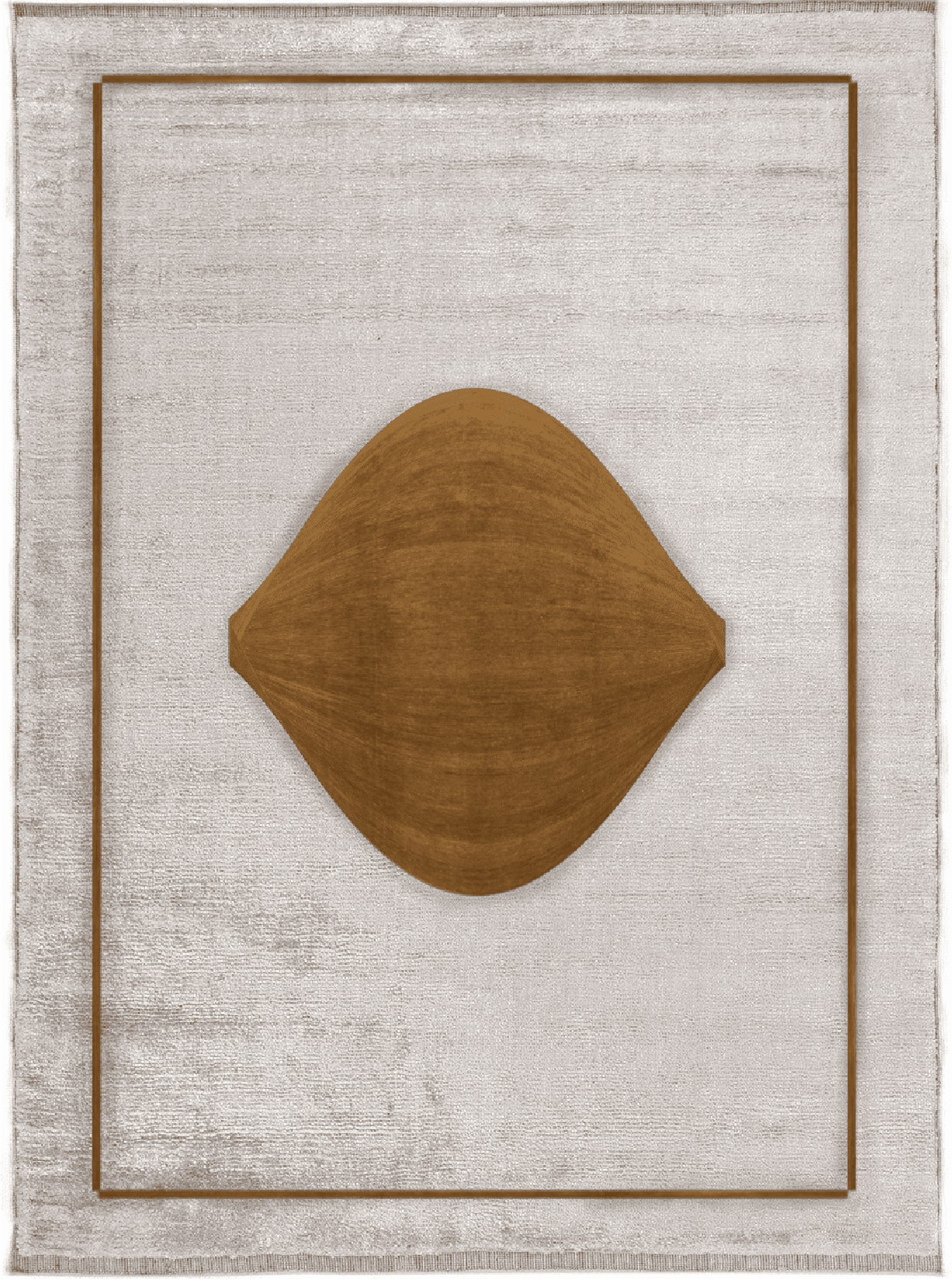
TĔRA carries forward the quiet philosophy of YUGA, but instead of looking at timelessness,
it explores how time moves.
The familiar grid remains- warm, earthy, and rooted in the colors of old textiles, handmade objects, and sun-softened walls seen across centuries. But now the pattern rises and curves, as if an era beneath it is shifting gently into the next. This curved form at the center feels like an age turning, drawing the past forward without letting it fall away. A rhythm that repeats, adapts, and carries its memory with grace.
TĔRA is about continuity- the quiet transformation woven through every generation, the way old ideas reshape themselves, and how the past folds neatly into the present.
A warm grid becoming something new.
An era turning without breaking.
TĔRA carries forward the quiet philosophy of YUGA, but instead of looking at timelessness,
it explores how time moves.
The familiar grid remains- warm, earthy, and rooted in the colors of old textiles, handmade objects, and sun-softened walls seen across centuries. But now the pattern rises and curves, as if an era beneath it is shifting gently into the next. This curved form at the center feels like an age turning, drawing the past forward without letting it fall away. A rhythm that repeats, adapts, and carries its memory with grace.
TĔRA is about continuity- the quiet transformation woven through every generation, the way old ideas reshape themselves, and how the past folds neatly into the present.
A warm grid becoming something new.
An era turning without breaking.
TĔRA carries forward the quiet philosophy of YUGA, but instead of looking at timelessness,
it explores how time moves.
The familiar grid remains- warm, earthy, and rooted in the colors of old textiles, handmade objects, and sun-softened walls seen across centuries. But now the pattern rises and curves, as if an era beneath it is shifting gently into the next. This curved form at the center feels like an age turning, drawing the past forward without letting it fall away. A rhythm that repeats, adapts, and carries its memory with grace.
TĔRA is about continuity- the quiet transformation woven through every generation, the way old ideas reshape themselves, and how the past folds neatly into the present.
A warm grid becoming something new.
An era turning without breaking.
TĔRA carries forward the quiet philosophy of YUGA, but instead of looking at timelessness,
it explores how time moves.
The familiar grid remains- warm, earthy, and rooted in the colors of old textiles, handmade objects, and sun-softened walls seen across centuries. But now the pattern rises and curves, as if an era beneath it is shifting gently into the next. This curved form at the center feels like an age turning, drawing the past forward without letting it fall away. A rhythm that repeats, adapts, and carries its memory with grace.
TĔRA is about continuity- the quiet transformation woven through every generation, the way old ideas reshape themselves, and how the past folds neatly into the present.
A warm grid becoming something new.
An era turning without breaking.
TĔRA carries forward the quiet philosophy of YUGA, but instead of looking at timelessness,
it explores how time moves.
The familiar grid remains- warm, earthy, and rooted in the colors of old textiles, handmade objects, and sun-softened walls seen across centuries. But now the pattern rises and curves, as if an era beneath it is shifting gently into the next. This curved form at the center feels like an age turning, drawing the past forward without letting it fall away. A rhythm that repeats, adapts, and carries its memory with grace.
TĔRA is about continuity- the quiet transformation woven through every generation, the way old ideas reshape themselves, and how the past folds neatly into the present.
A warm grid becoming something new.
An era turning without breaking.